
Why Self-Trust Starts Early
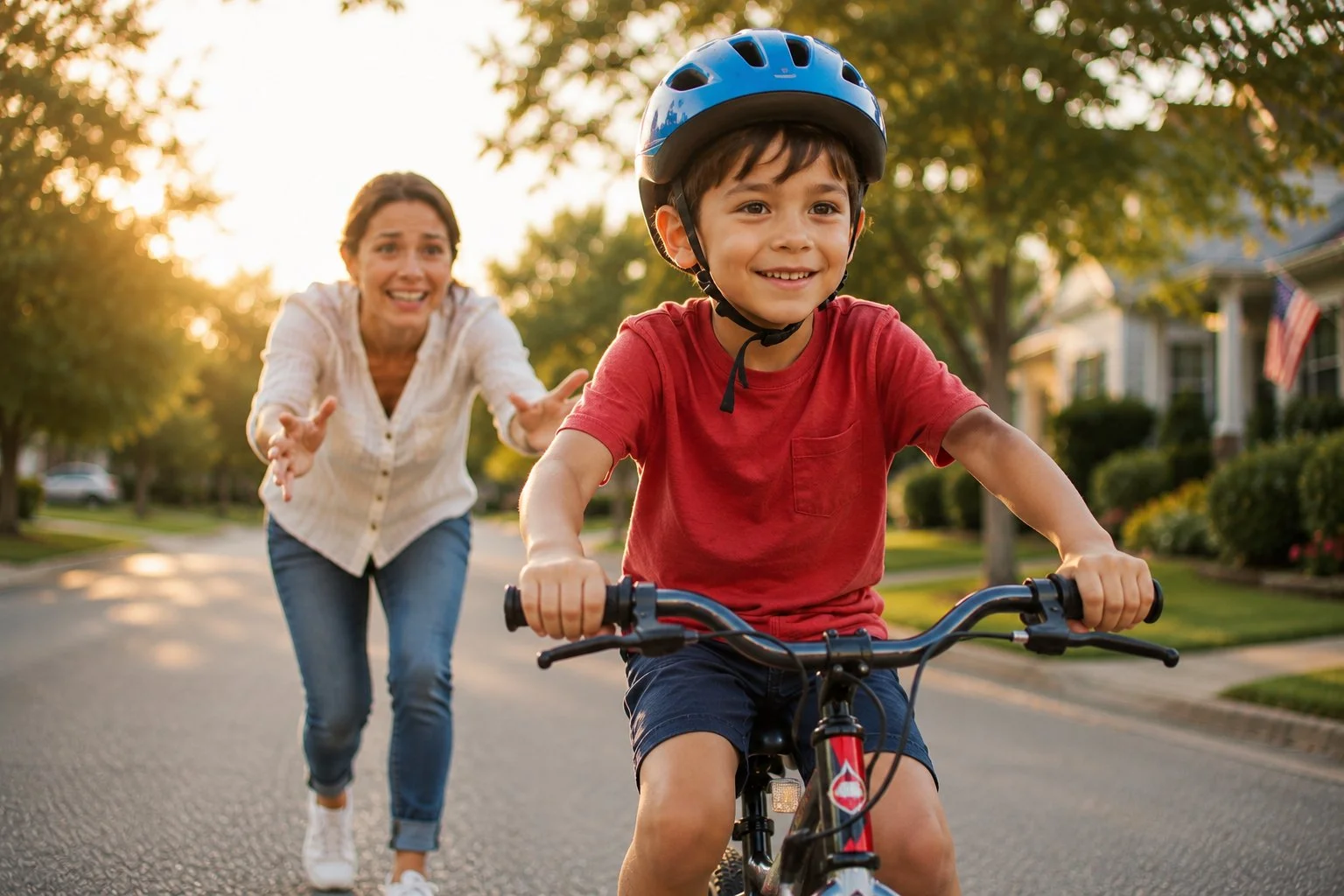
Yesterday was the Fourth of July. Across the country, people spent the day marking 250 years since a group of colonies decided they no longer needed permission to govern themselves.
It's a fitting way to start this month, because July is about a much smaller, much quieter kind of independence.
This month, we're exploring Self-Trust: the ability to rely on your own internal compass, even when the world around you is offering a different opinion.
We start the month with Carl Rogers, a psychologist whose central idea was almost shockingly simple: people grow best when they feel fully accepted, without conditions. From that, something else becomes possible. A child, or an adult, who has been fully accepted can start to trust their own sense of things.
This week, a story about someone whose internal compass pointed somewhere nobody else expected.
STORY
She Saw the World Differently
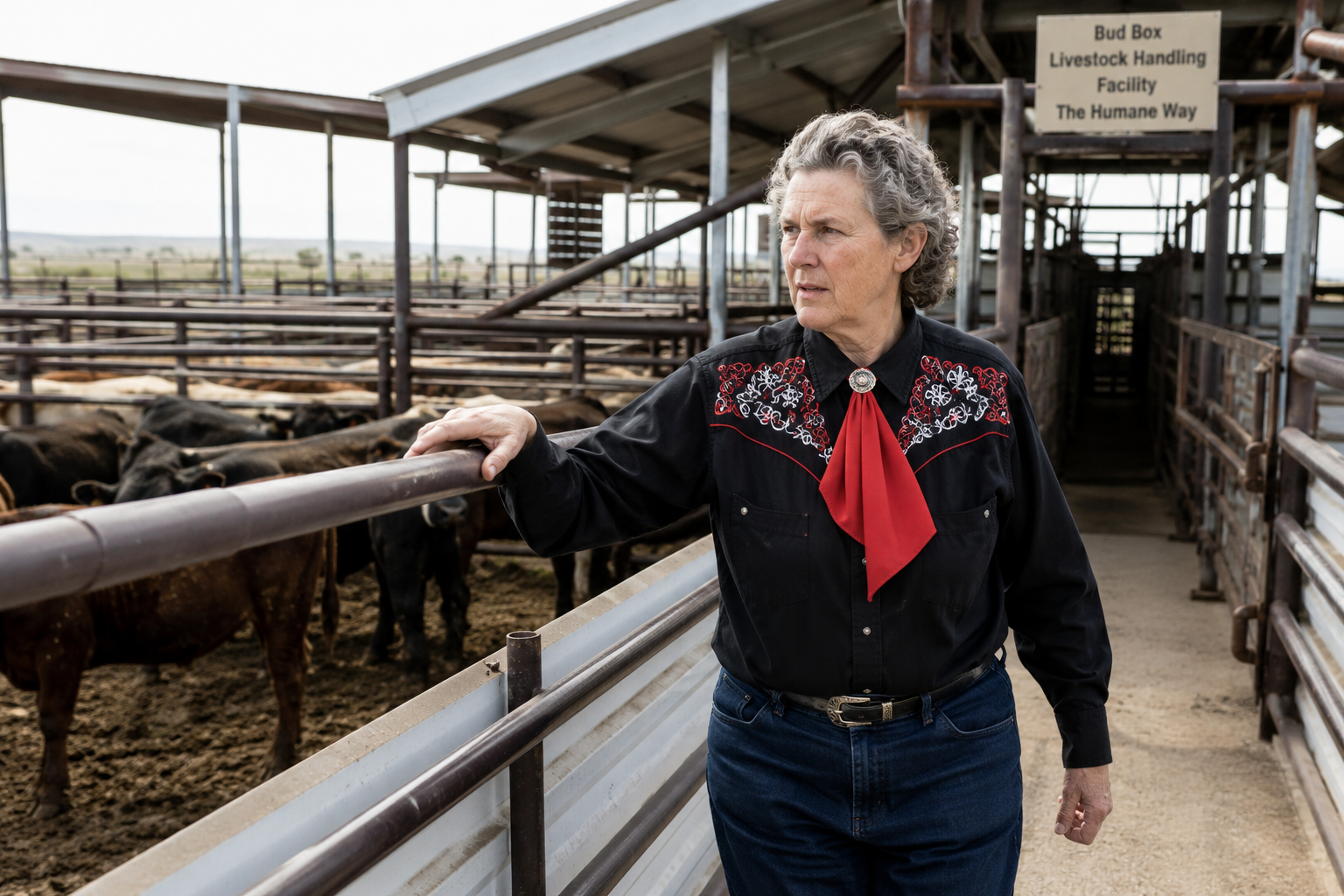
As a child, Temple Grandin didn't speak until she was almost four.
She hated being touched. Loud noises overwhelmed her. She had meltdowns that her father, in the 1950s, believed meant she should be sent away to an institution. Doctors largely agreed. Autism was barely understood, and what little understanding existed wasn't kind.
Her mother refused.
She enrolled Temple in a small school built for children who needed something different, and slowly, painstakingly, Temple built a life. But the world she experienced never stopped looking different from everyone else's. Where other people thought in words, Temple thought entirely in pictures. A single word like "dog" didn't register as a concept. It triggered an entire slideshow: every dog she'd ever seen, one image after another.
As a teenager visiting her aunt's ranch, she noticed something. A mechanical chute built to hold anxious cattle still had a strange effect on her too. The pressure calmed her panic. She built her own version and used it for years.
When she entered the world of livestock design as a young woman, she was told, often to her face, that she didn't belong there. Ranch hands doubted her. Colleagues dismissed her ideas. None of it matched how the industry was used to thinking.
But Temple could see something they couldn't. She understood, in a way almost no one else did, how an animal experiences fear, movement, and space.
She trusted that understanding even when the room full of experts told her she was wrong.
Her designs are now used in over half the cattle-handling facilities in North America.
The shift wasn't that the world finally agreed with her. It's that she stopped needing it to, before it did.
SKILL
The Body Knows First
Before your child asks someone else what they think, what if they checked in with themselves first?
Carl Rogers spent his career studying what helps people trust themselves. One thing he found again and again: kids (and adults) who are met with full acceptance, not the conditional kind that depends on getting things right, are the ones who learn to trust their own instincts.
You can't hand a child instant self-trust. But you can practice a small habit that builds it over time.
It's called the Interoceptive Check-In, and it's simpler than it sounds.
Before a small decision this week, a snack choice, which game to play, whether to raise a hand in class, pause together and ask: "What does your body already know about this?"
Not what's the right answer. Not what would someone else pick. Just: what do you feel, before anyone else weighs in?
It might be a stomach flutter. A sense of excitement. A quiet no. All of it counts.
This isn't about ignoring outside advice forever. It's about teaching a child that their own internal data is worth checking first, before it gets overwritten by everyone else's opinion.
Good one to try this week while routines are looser than usual and there's more room to notice what your gut is actually saying.
Before you go…
Whether you’re heading to the pool, packing for a trip, or enjoying a slower summer day, we’ve got a few resources to make self-trust easy to practice along the way.
Camp Supernova — 8 Days Away
Camp runs online July 13–17 for kids ages 6–12, and registration is still open!
Need-based scholarships are available for families who could benefit from financial assistance with camp tuition. Apply below to see if you qualify.
Free Resource: The Self-Trust Conversation Cards
A simple deck of conversation starters built for this exact month: questions that help kids check in with their own gut instead of automatically looking to you for the answer. Print them, cut them out, keep them in the car or by the dinner table.
This Week's Resource
This 2-minute scene from our beloved Finding Nemo movie captured this week's theme better than almost anything we could write ourselves: the moment a fearful parent lets go and trusts.
Source: The Verdict. YouTube
Next week, we stay with Self-Trust and explore what it means to use your voice, even when staying quiet would be easier.
Your friends at REK,
Adam & Matthew Toren, Sylvia Tam, and Tammy Vallieres

Our new member hub is live — free activities, conversation starters, and resources for your family. Access it here.
“The curious paradox is that when I accept myself just as I am, then I can change.”