

Why Kids Focus Better Outside
A walk in the park does more than clear your head. Research shows it measurably improves kids' concentration. This week, meet a family who's spent eleven years staying focused on one simple idea, and try our tiny experiment: 10 minutes outside before the hard stuff.
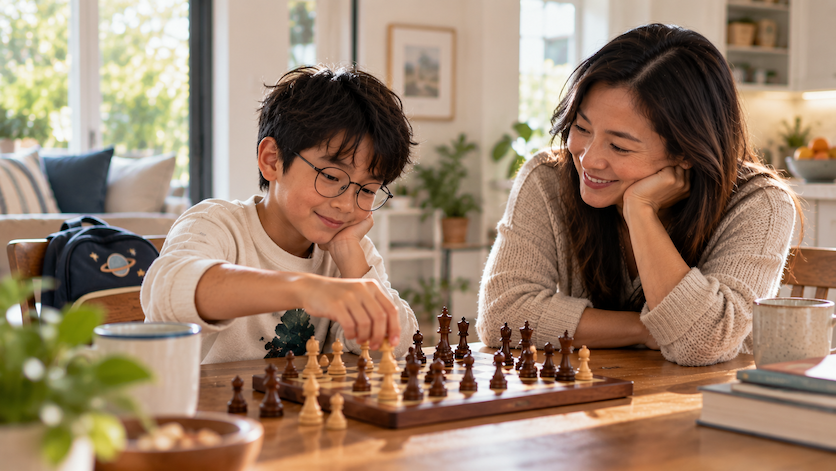
How Kids Really Learn to Pay Attention
This month we're exploring Focus Intelligence — the ability to point your attention somewhere and keep it there. Inside: a surprising research finding on screens and attention, the true story of a chess champion who built focus without ever having quiet to practice in, a simple move any kid can use before homework, and a new friend joining our classroom family.
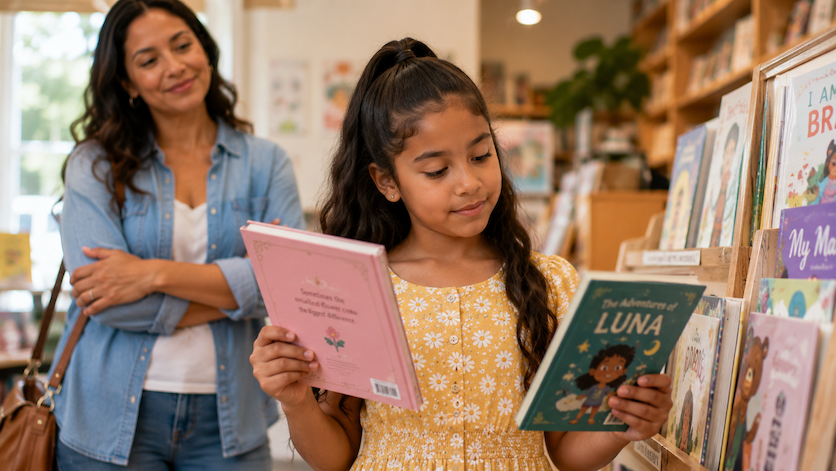
Why Real Choice Builds Real Ownership
Real motivation doesn't come from pushing kids toward something — it comes from letting the choice feel genuinely theirs. This week, Dr. Edward Deci and Dr. Richard Ryan's research on self-determination meets the story of a four-year-old who turned two bee stings into a nationwide lemonade brand. We close out Ownership Energy month with the one small shift — real choices inside real boundaries — that makes ownership stick.
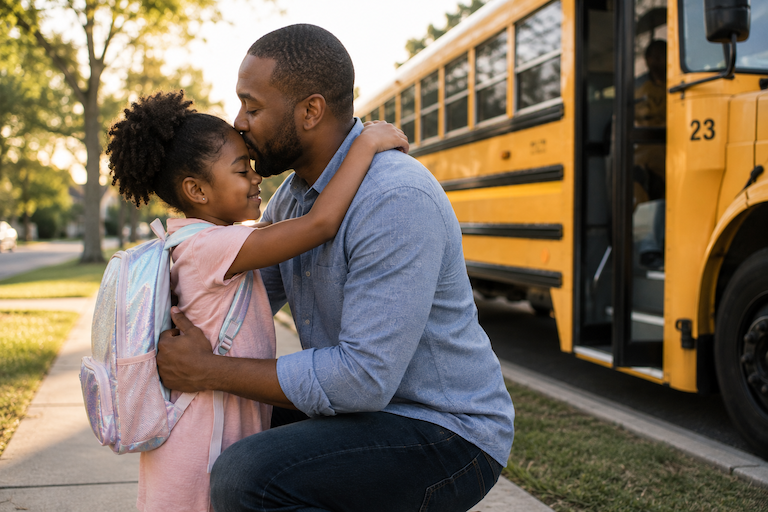
The Hug That Says "You've Got This"
Yale researcher Dr. Eli Lebowitz has spent years studying what happens when parents rescue kids from hard things — and what happens when they don't. This week's story follows Jennifer Bricker, born without legs, whose parents banned the word "can't" and let her focus on what she could do. The result: state gymnastics titles, a career as an aerialist — and a discovery about her biological family that changed everything. This week's skill: the two-part response that builds real focus and confidence, instead of taking the hard thing away.
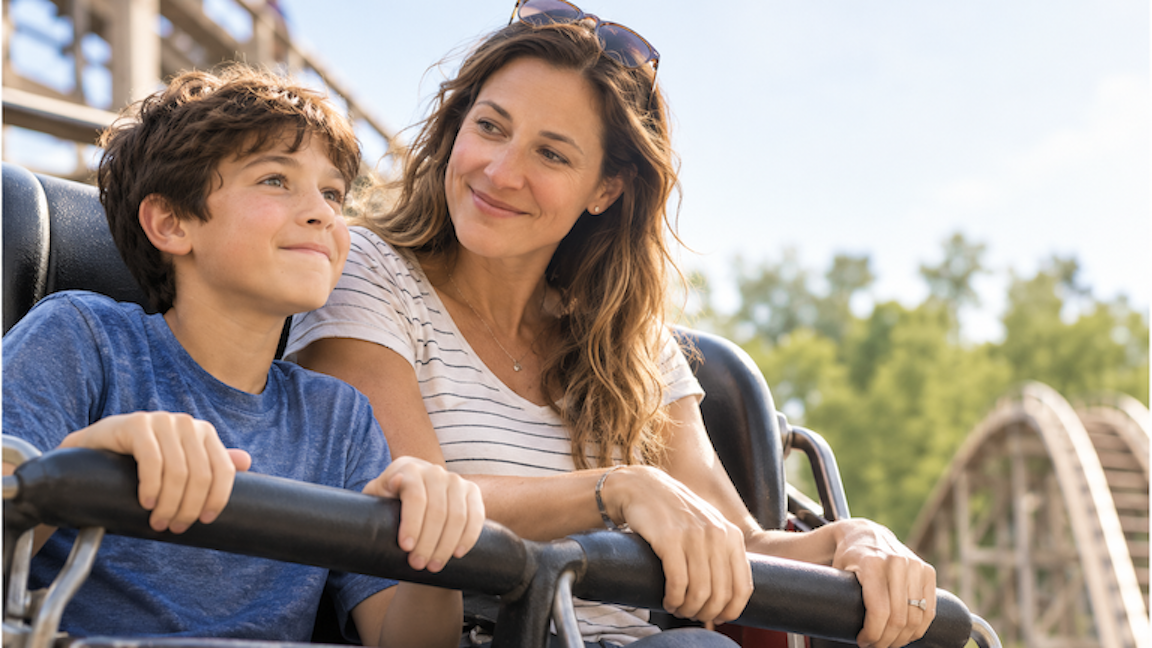
What Happens After the Mistake Matters Most
Vera Wang trained for years to make the US Olympic figure skating team. She didn't make it. Then she went to Vogue, launched her own brand, and eventually designed the costumes for the very Olympians she couldn't join. This week, the Failure Pivot — and one simple tool that helps kids see their mistakes as information, not identity.
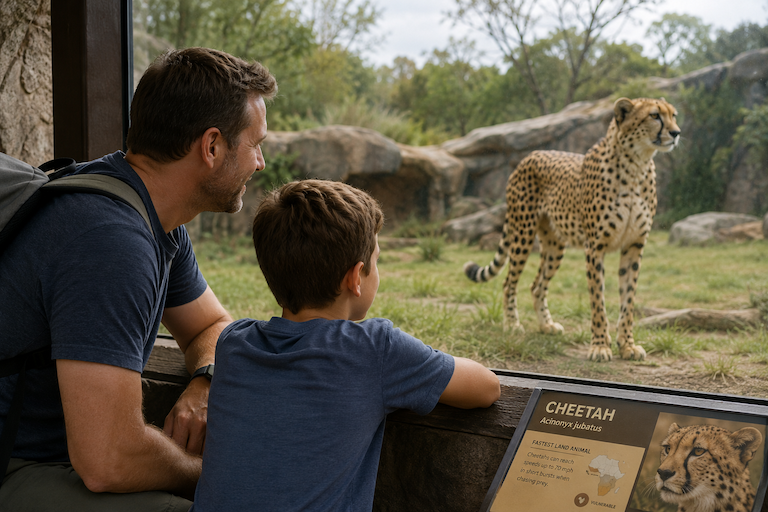
What Cheetahs Can Teach Us About Structure vs Control
Every August, parents feel the pull to tighten the reins. New routines, new teachers, new pressures. But research says the tighter the grip, the more anxious kids become. This week, a surprising lesson from the San Diego Zoo and one simple framework that helps parents tell the difference between structure and control.
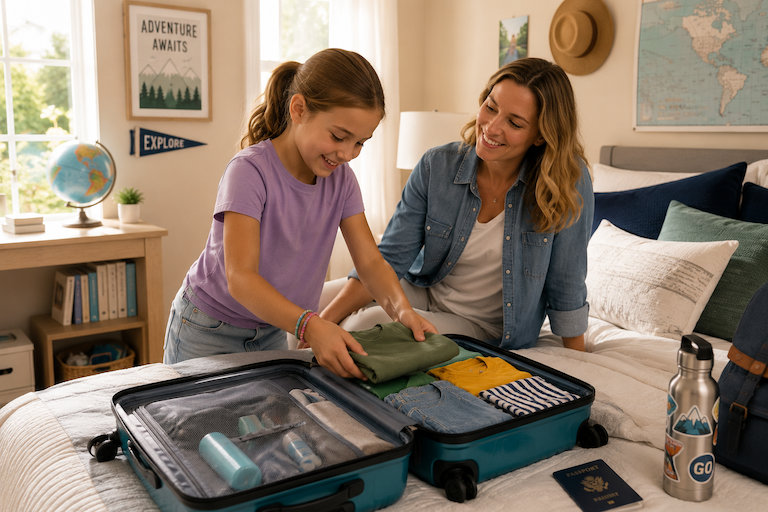
How Ownership Turns Kids Into Innovators
Srikanth Bolla was born blind in rural India. Schools refused him. Boards told him to drop science. He fought every single one of them and became the first blind international student at MIT. This week, we open Ownership Energy month with his story and one small practice that helps kids understand their choices are the most powerful thing they have.
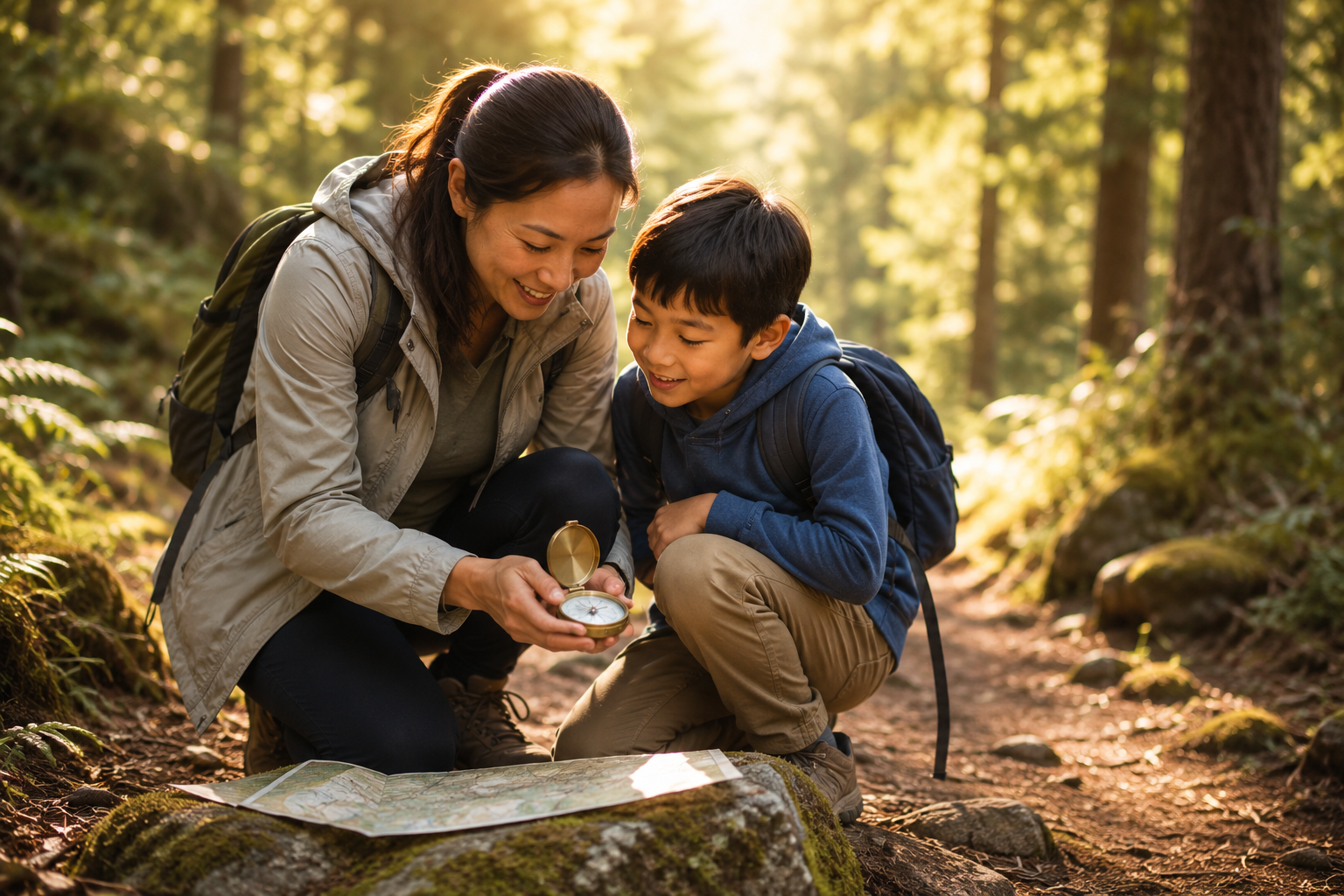
The Belief That Keeps Kids Small
Most kids aren't held back by their circumstances. They're held back by a belief that got installed early and never got updated. This week, we close out Self-Trust month with a story about elephants, a skill for helping kids reclaim their inner compass, and a look back at a week of Camp Supernova that reminded us what kids are really capable of.
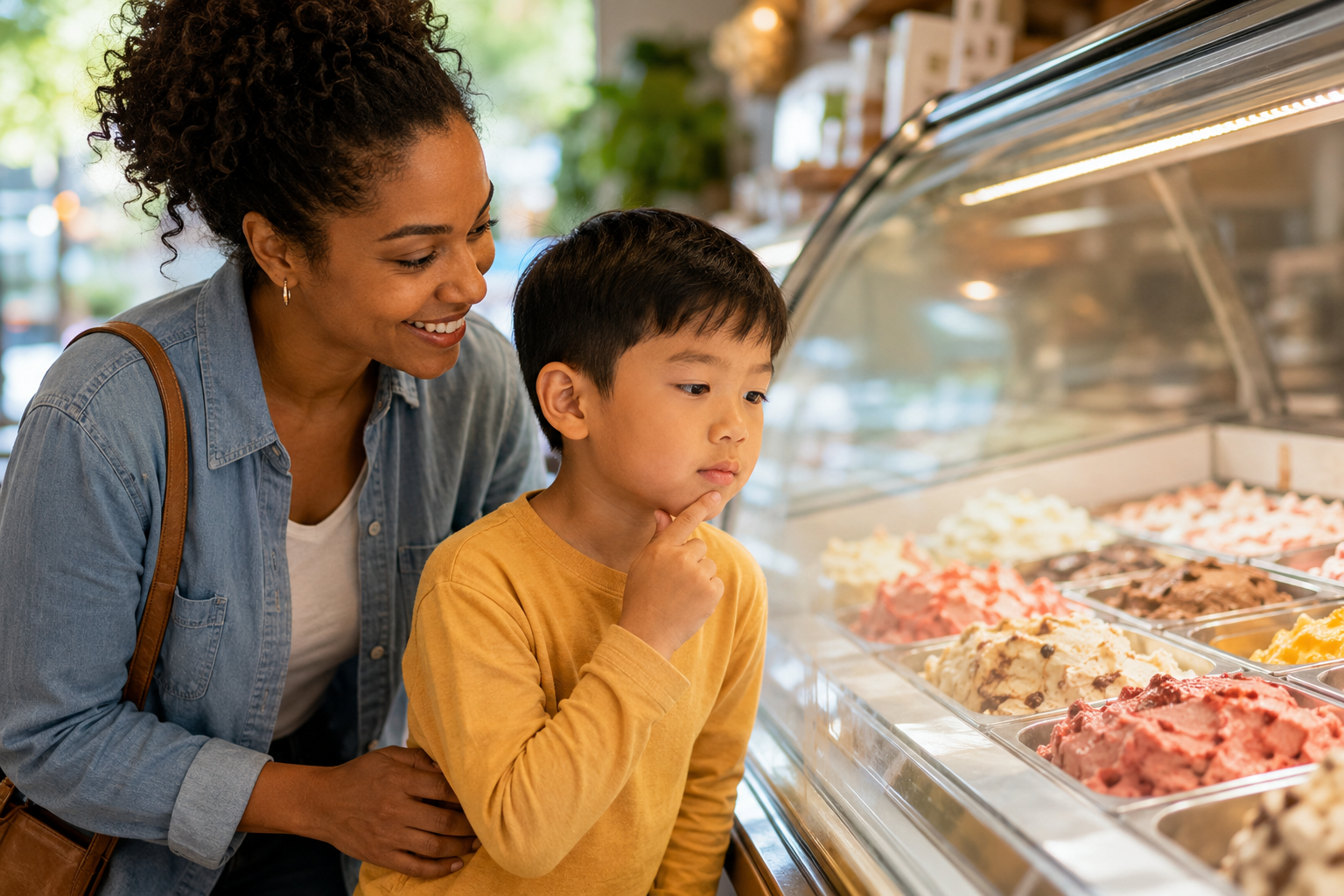
How Kids Learn to Think for Themselves
Most kids don't make decisions — they crowdsource them. This week, we explore cognitive autonomy: the practice of forming your own view before polling the room. We share the story of a man who made the most consequential decision of his life alone, in a prison cell. Plus a free ice cream printable that turns this week's skill into a summer game the whole family can play.
The Real Reason Kids Stop Speaking Up
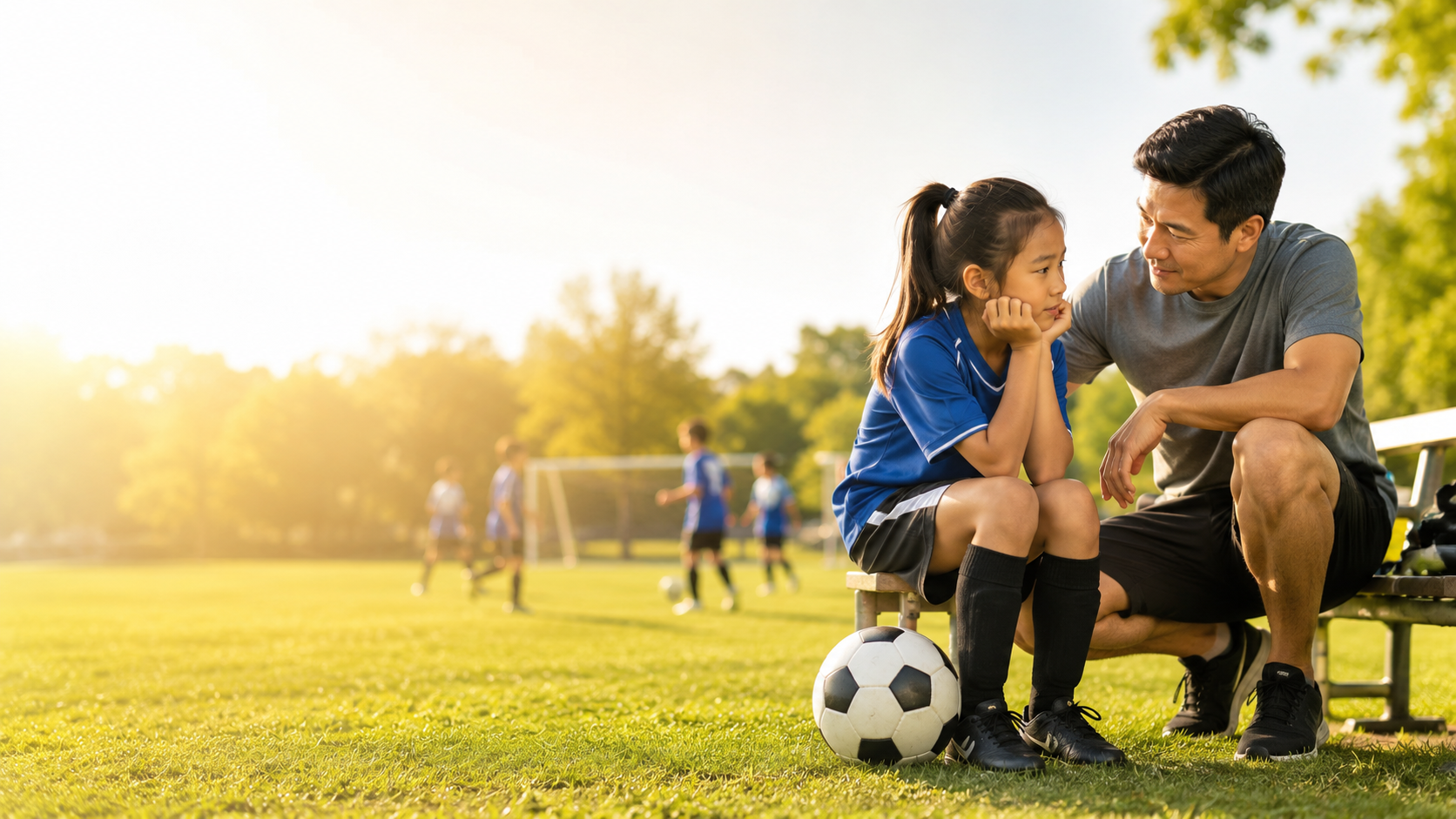
Self-trust isn't just about gut instincts. This week, it's about voice — and what happens when kids learn to say the true thing, not just the easy thing. We share the story of a Sudanese teenager who stepped onto an international pitch for the first time, lost by 17, and still found the right words. Plus a simple practice to help your child do the same.
Why Self-Trust Starts Early
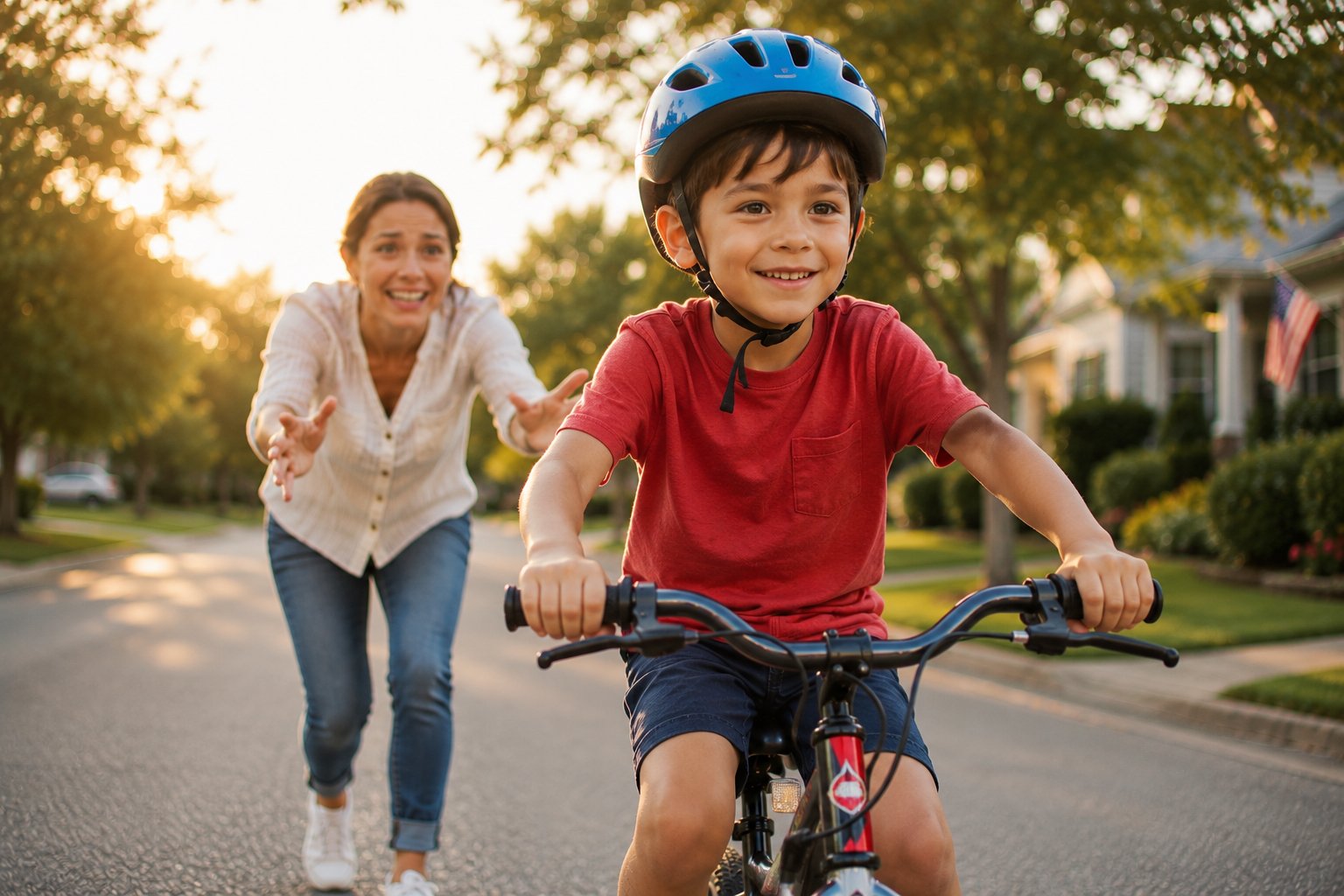
Temple Grandin saw the world in pictures, not words. Doctors and ranchers alike doubted her. She trusted her perception anyway, and it changed an entire industry. This week, we open July with Carl Rogers and the foundation of self-trust: learning to treat your own experience as real data.

The Wonder That Wouldn't Stop
Wilma Rudolph was told she would never walk. She became the fastest woman in the world — not through sheer willpower, but through a particular kind of wondering. This week, we close out Curiosity Drive with Eleanor Duckworth's most powerful insight and one tiny experiment to try over the July 4th weekend.
The Hundred Languages of Children
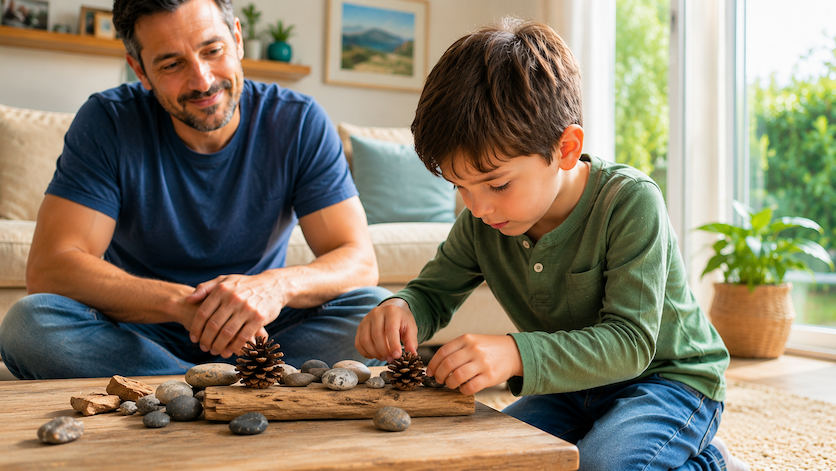
An Italian educator named Loris Malaguzzi believed children come into the world with a hundred ways to think, create, and express themselves — and that most of us unwittingly take 99 of them away. This week, we're learning how to give them back. Plus, we're announcing the winners of our Big Idea Challenge!
Why Play Is the Highest Form of Research
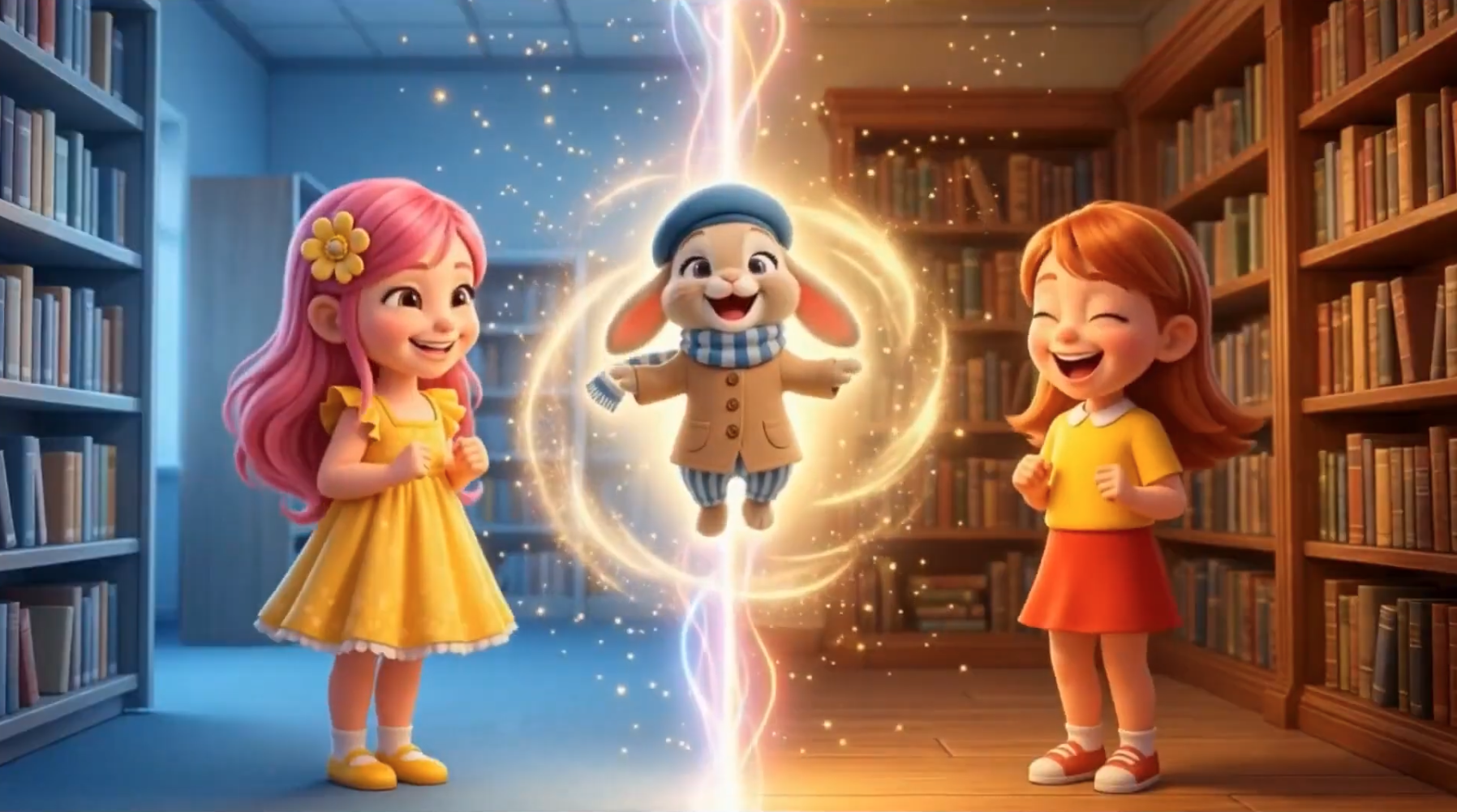
Fresh from its Best Short Film win at the Niagara Canada International Film Festival, The Hero Within reminds us that every child carries something extraordinary inside them. This week, we’re sharing a simple way to nurture curiosity and help children discover the hero within.
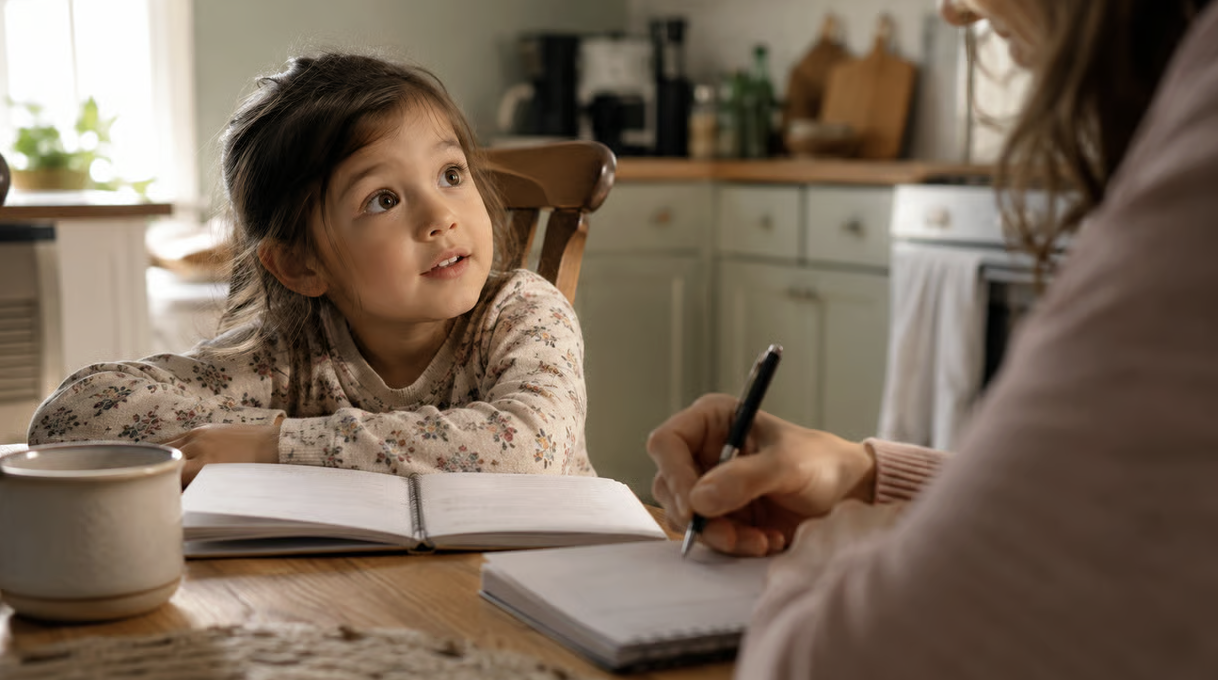
Why Curiosity Is Your Child's Most Powerful Learning Tool
Curiosity isn't just a personality trait. It's a cognitive engine — and research shows it's one of the strongest predictors of achievement in children. This month we're exploring how to fuel it, starting with one tiny practice you can try this week.
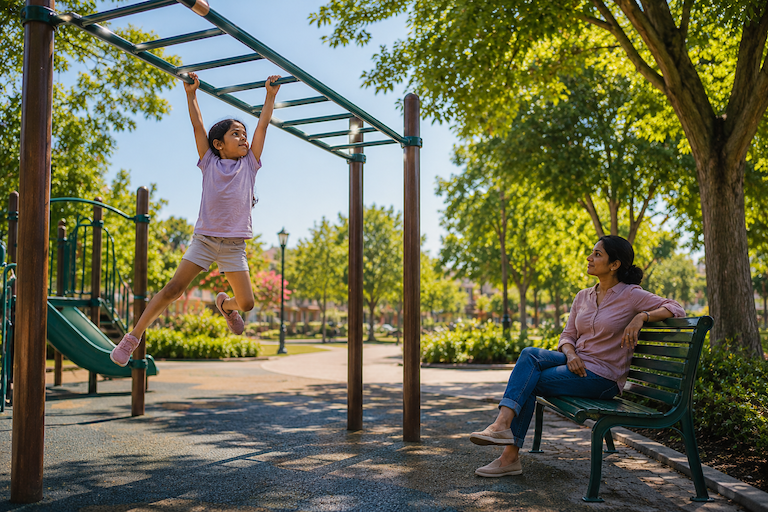
How Stepping Back Builds Kids Who Contribute
Stanford researcher Jelena Obradovic found that parents who intervene too often — even with good intentions — can quietly undermine a child's developing sense of self-determination. This week, we close out the month with the most counterintuitive contribution skill of all: the art of doing nothing.
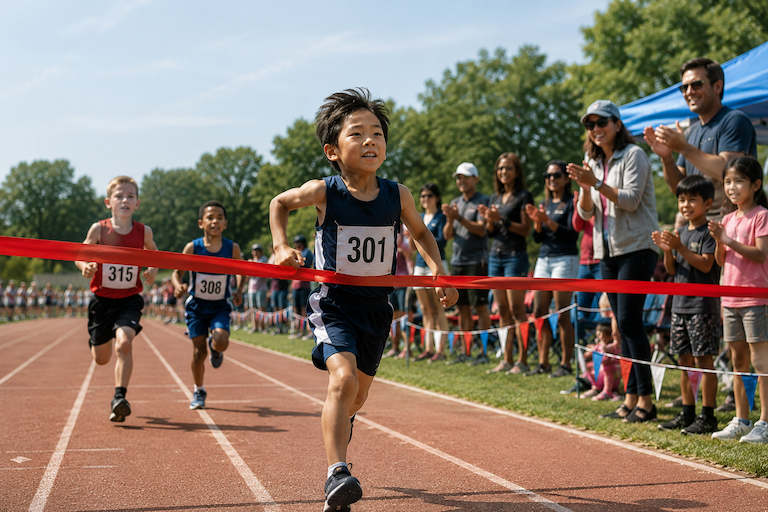
Teaching Kids That Helping Isn't Sacrifice
We spend a lot of time teaching kids how to compete. But a legendary coach and a Stanford researcher both noticed something surprising: the young people who thrived most weren’t always the ones focused on winning. They were the ones who learned how to make the people around them stronger too.
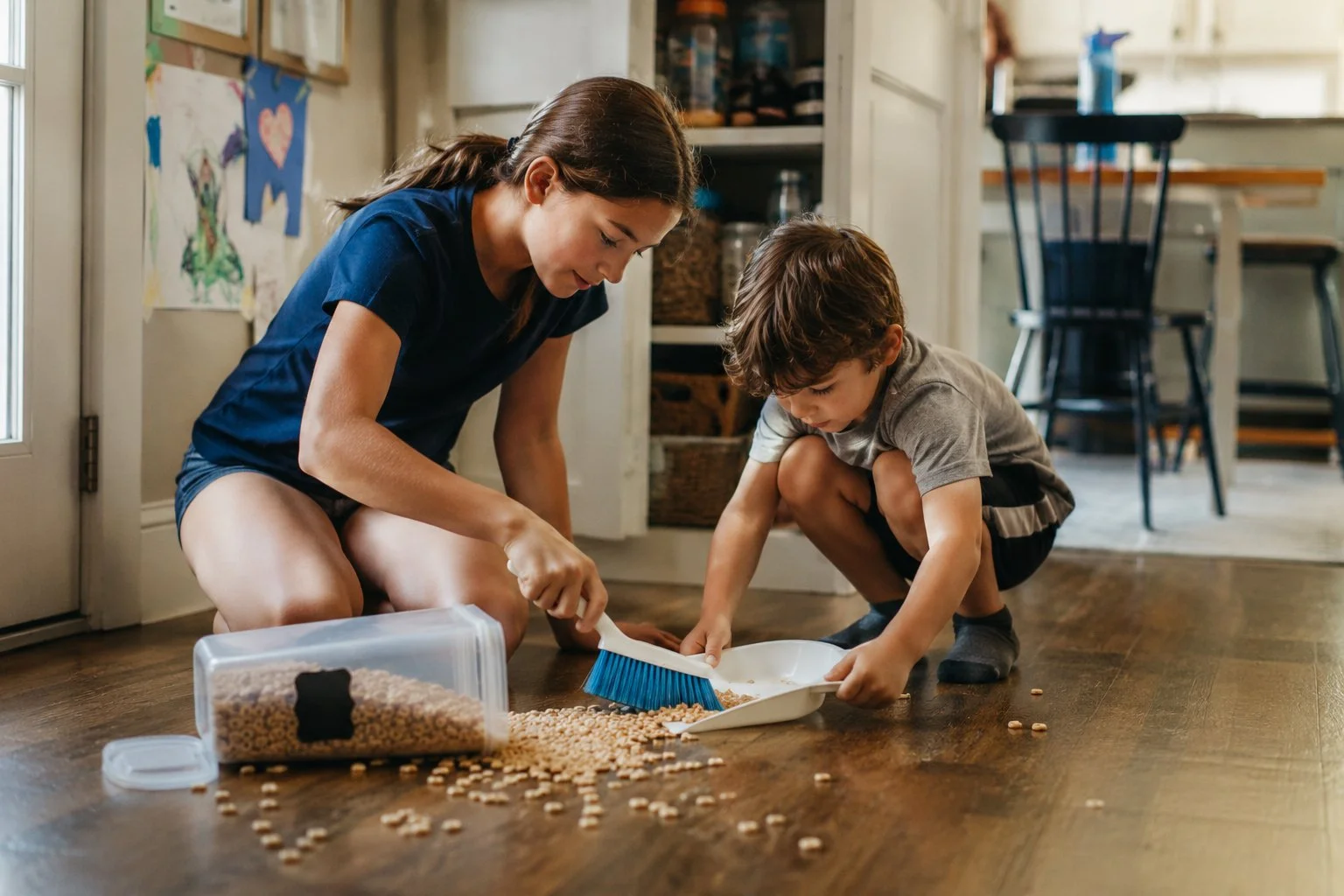
“Good job” might be backfiring
What kids hear after “good job” may not be what we think. This week: David Yeager’s research on praise, motivation, and why some kids stop helping after they fail once.
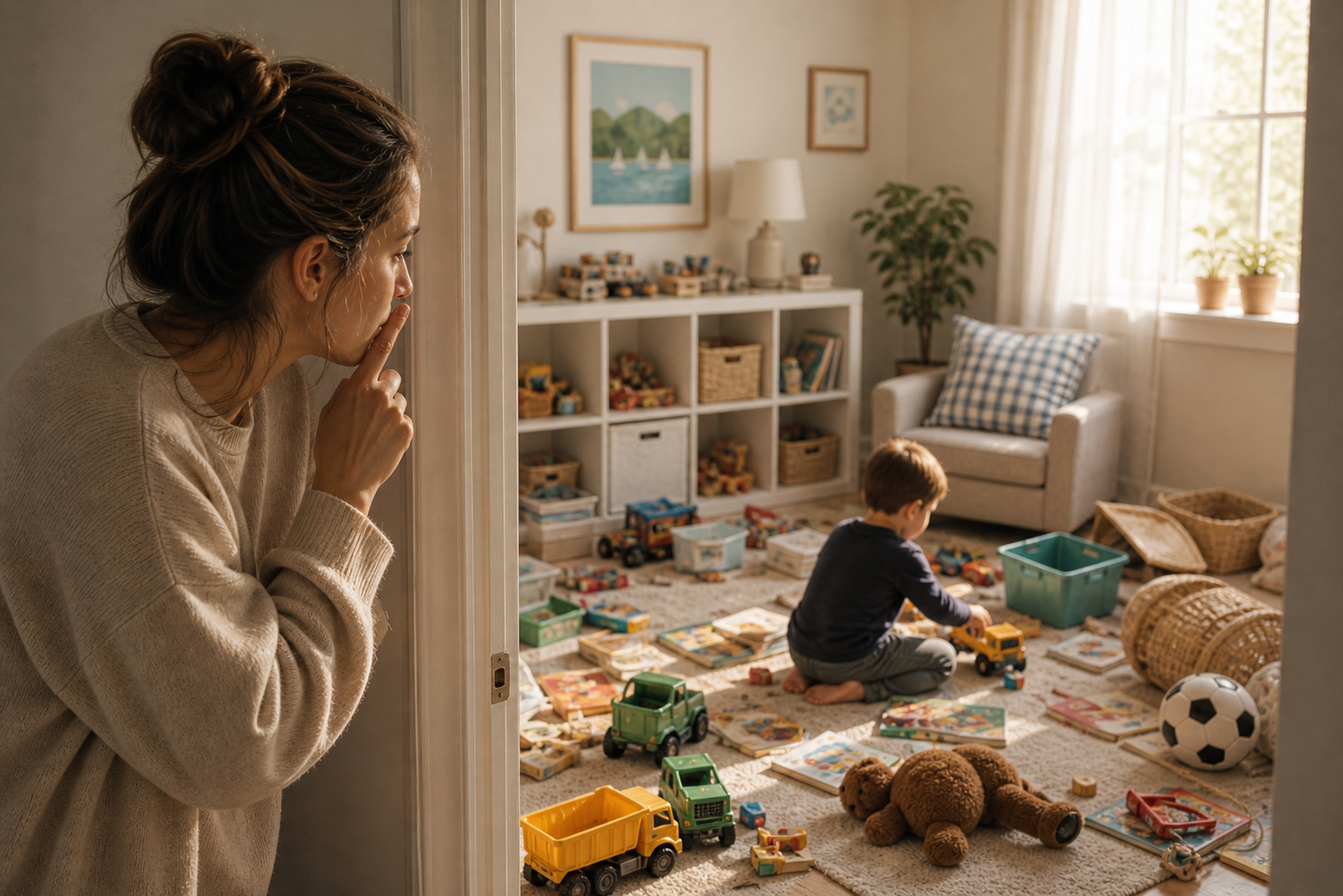
The Formula That Makes Kids Want to Help
Courage doesn’t come from inspiration—it comes from repetition. This week, a simple practice that helps kids take one small brave step, again and again.
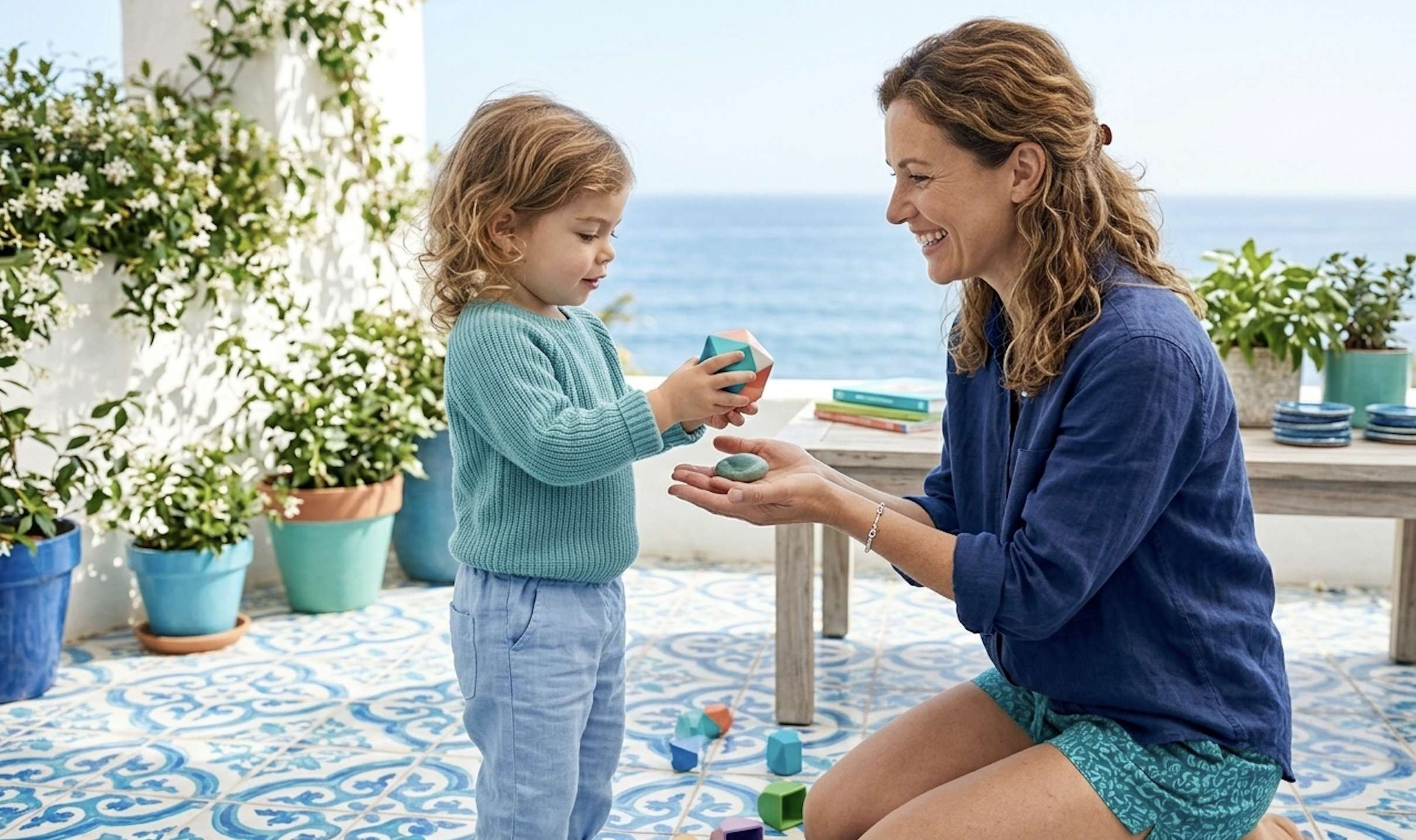
Why Kids Are Born to Help
Turns out, the urge to help doesn't have to be taught. Harvard psychologist Felix Warneken found that infants as young as 14 months will pause what they're doing — without a single prompt — to help someone in need. This week, we explore what that means for how we raise kids.