
Belonging Without Disappearing
Happy February!
Fun fact: February 7 is World Read Aloud Day. Reading out loud together just feels a little different — easy, shared, and kind of nice.
It’s funny how those small, shared moments matter more than we expect.
But you know what, belonging is the weirdest thing about humans.
We’ll pay money to sit next to strangers at a concert and then feel emotionally wrecked when the group chat moves without us.
Geoffrey Cohen, a Stanford psychologist who studies belonging in schools and organizations, explains why: exclusion registers in the brain like pain, and prolonged loneliness isn’t just sad, it’s stressful to the body over time.
But what we love about his work is how small the fixes can be.
In one study with middle school students, teachers added a simple note to their feedback: “I’m giving you these comments because I have high standards and I know you can meet them.”
That one sentence didn’t just make kids feel better, it changed behavior. Students were dramatically more likely to revise their work (try again), and years later, they were more likely to make it to college.
Belonging is interpretive: kids are constantly decoding, “Do I have a place here… or am I just being tolerated?”
This month we’re practicing Belonging Intelligence — how kids stay connected without performing, shrinking, or shape-shifting to earn a spot.
Michelle Obama’s Princeton Story
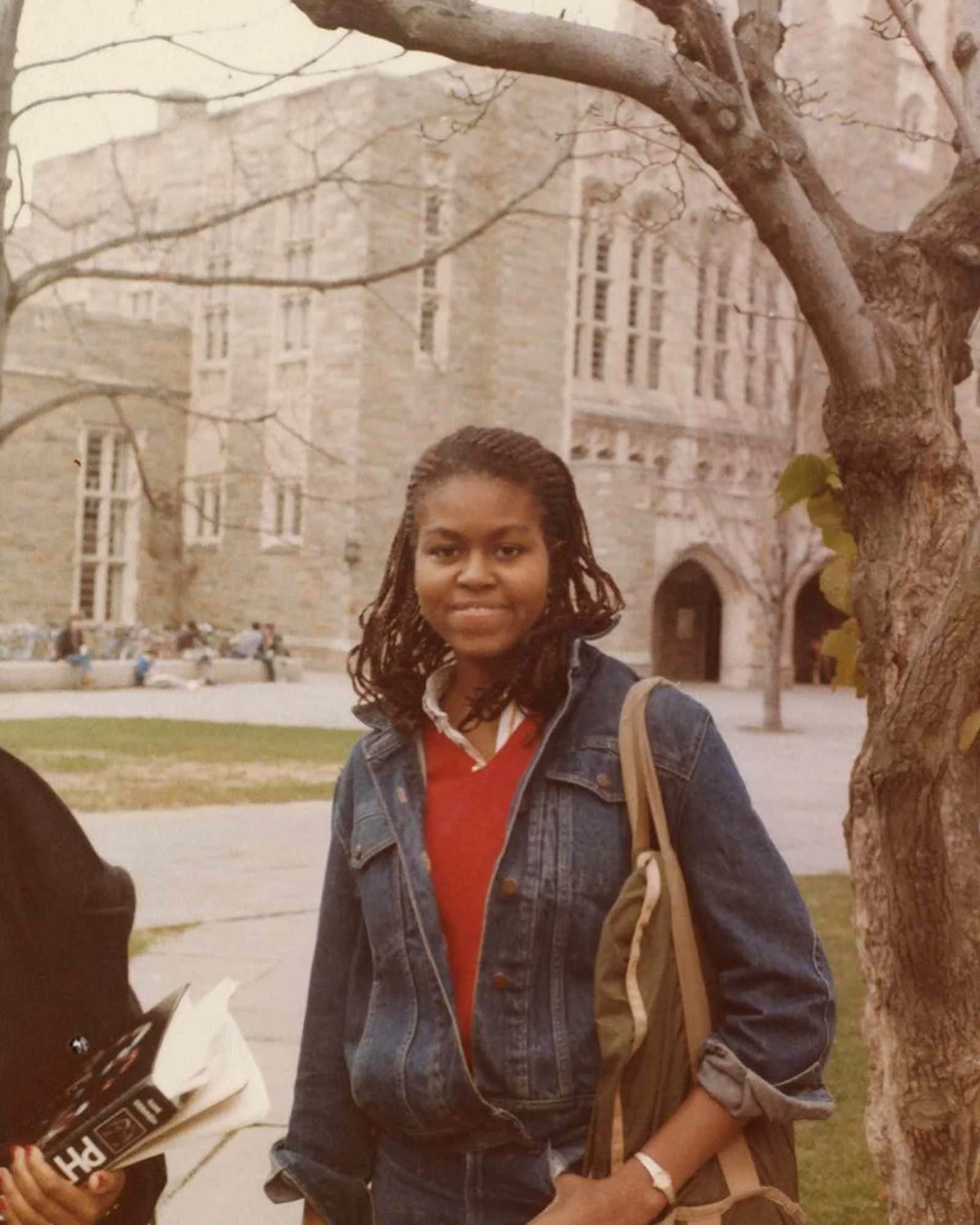
Image: Michelle Obama’s social media post
Michelle Obama once shared that when she was applying to college, a counselor basically told her:
“Maybe don’t aim for Princeton.”
Not because Michelle didn’t work hard.
But because the “scores” and the system around her were sending a message: you don’t belong there.
But she applied anyway.
And she got in.
Later, even after getting in, she’s said she still felt that familiar insecurity of a whispery feeling of “Maybe I’m the exception. Maybe I’m the mistake.”
That’s what belonging pressure does.
It doesn’t just hurt. It makes you start editing yourself to stay safe.
So if your kid ever says, “I don’t fit,” you can tell them:
One of the most accomplished women in the world has felt that too.
When you feel like you don’t belong, do you shrink… or do you keep going as yourself?
The High-Belief Line
Sometimes kids don’t need us to “fix it.” They just need to know we don't think less of them. So we start by naming the skill and saying the belief out loud. Why?
So much of belonging stress comes down to one quiet question: “Am I still safe with you if I mess up?”
A single, clear line of belief can calm that question and help your child stay open.
For younger kids, keep it simple and warm:
“Hey — I’m on your side. I know you can handle this.”
Then give the correction in one short sentence, and pause.
For older kids or teens, you can make it more collaborative:
“I’m telling you this because I trust you to figure it out.”
Then share the feedback briefly, and let them have space to respond.
That’s the whole experiment! One small shift to keep connection steady while you coach.
It’s a gentle practice to remind both of you that belonging doesn’t depend on perfection, no matter their age.
Want to make this a shared challenge with another family or educator? Pass this along or share however works best.
Before you go…
This week’s theme is simple: belonging isn’t something our kids should have to earn by shrinking.
And honestly, neither should we.
If you want a smart, science-backed reset on this, this talk by Stanford psychologist Geoffrey Cohen is worth a watch.
Before pressing play, we might try one tiny thing:
think of one moment recently when our child seemed to “edit” themselves to fit in… and just hold that with a little gentleness.
👉 Watch Geoffrey Cohen on belonging →
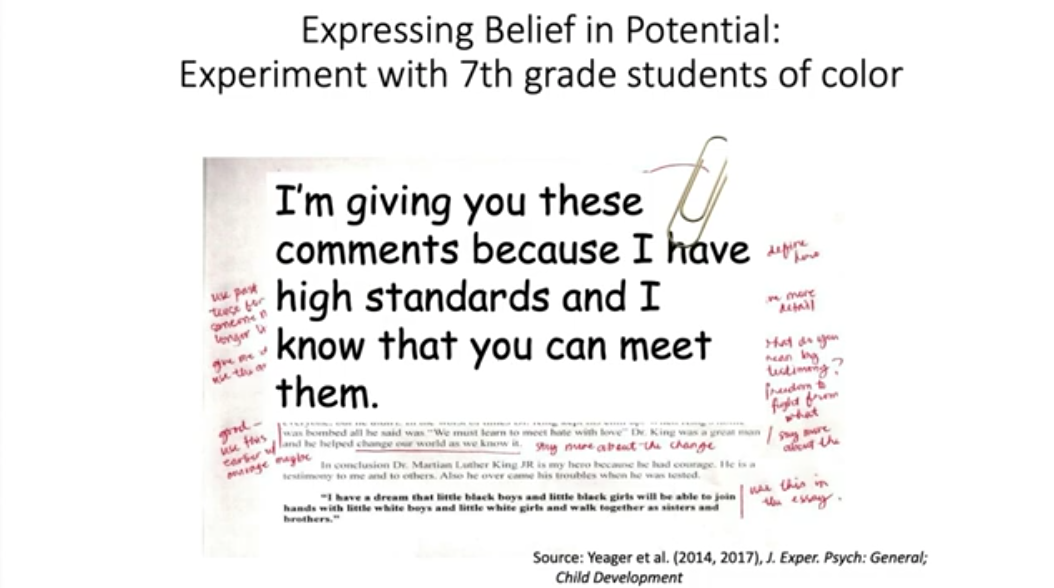
Source: Standford University
Wishing you a week where connection feels a little steadier, even when things aren’t perfect.
Your friends at REK,
Adam & Matthew Toren, Sylvia Tam, and Tammy Vallieres

“True belonging doesn’t require you to change who you are; it requires you to be who you are.”