
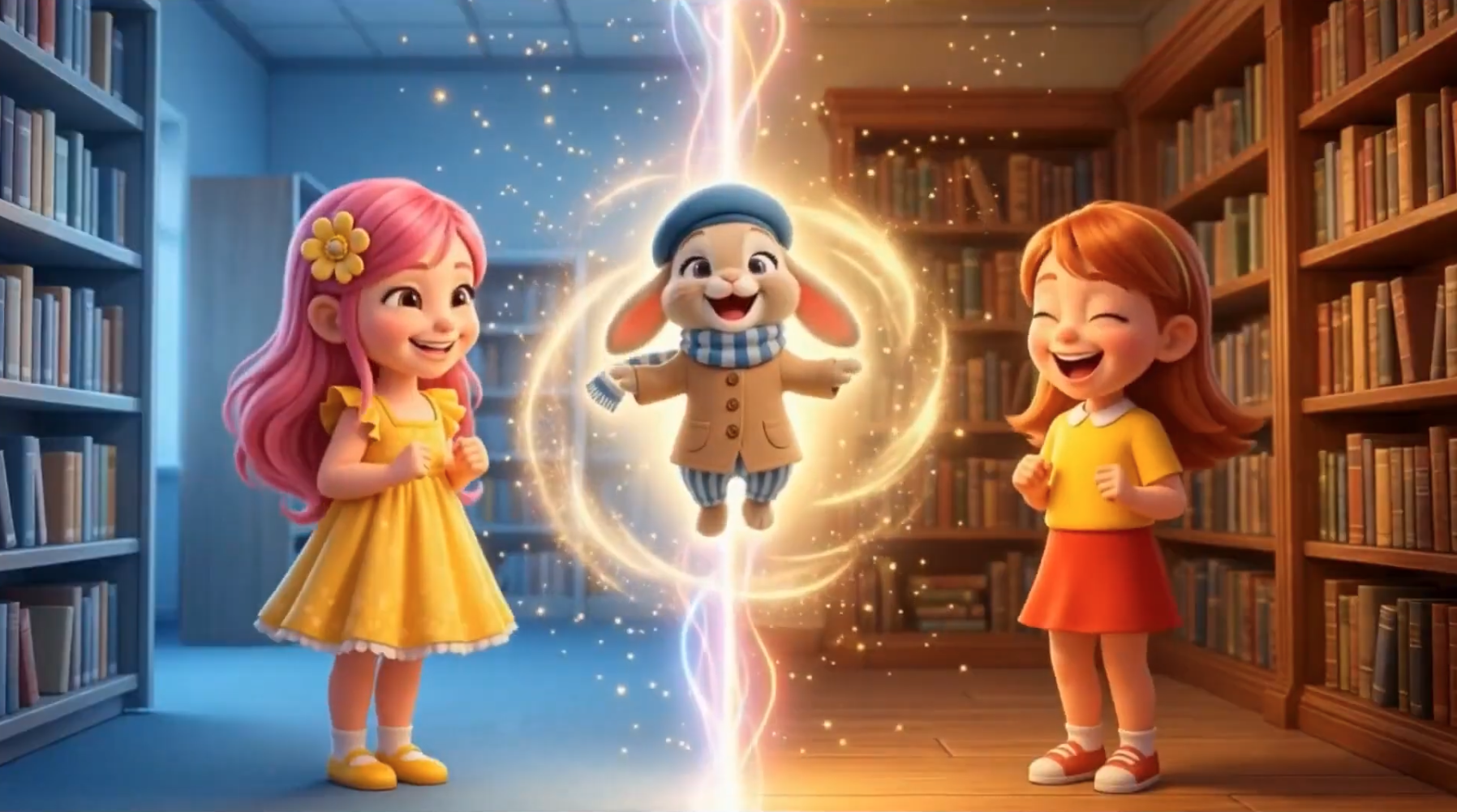
Why Play Is the Highest Form of Research
Fresh from its Best Short Film win at the Niagara Canada International Film Festival, The Hero Within reminds us that every child carries something extraordinary inside them. This week, we’re sharing a simple way to nurture curiosity and help children discover the hero within.

Why Curiosity Is Your Child's Most Powerful Learning Tool
Curiosity isn't just a personality trait. It's a cognitive engine — and research shows it's one of the strongest predictors of achievement in children. This month we're exploring how to fuel it, starting with one tiny practice you can try this week.
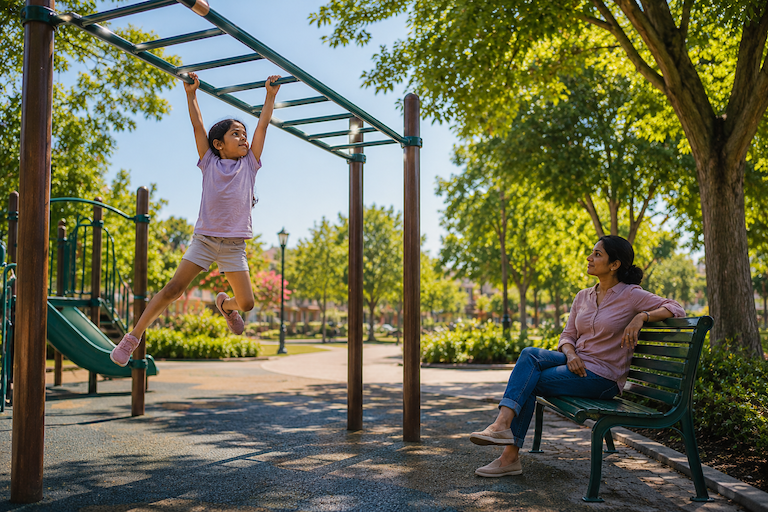
How Stepping Back Builds Kids Who Contribute
Stanford researcher Jelena Obradovic found that parents who intervene too often — even with good intentions — can quietly undermine a child's developing sense of self-determination. This week, we close out the month with the most counterintuitive contribution skill of all: the art of doing nothing.

Teaching Kids That Helping Isn't Sacrifice
We spend a lot of time teaching kids how to compete. But a legendary coach and a Stanford researcher both noticed something surprising: the young people who thrived most weren’t always the ones focused on winning. They were the ones who learned how to make the people around them stronger too.
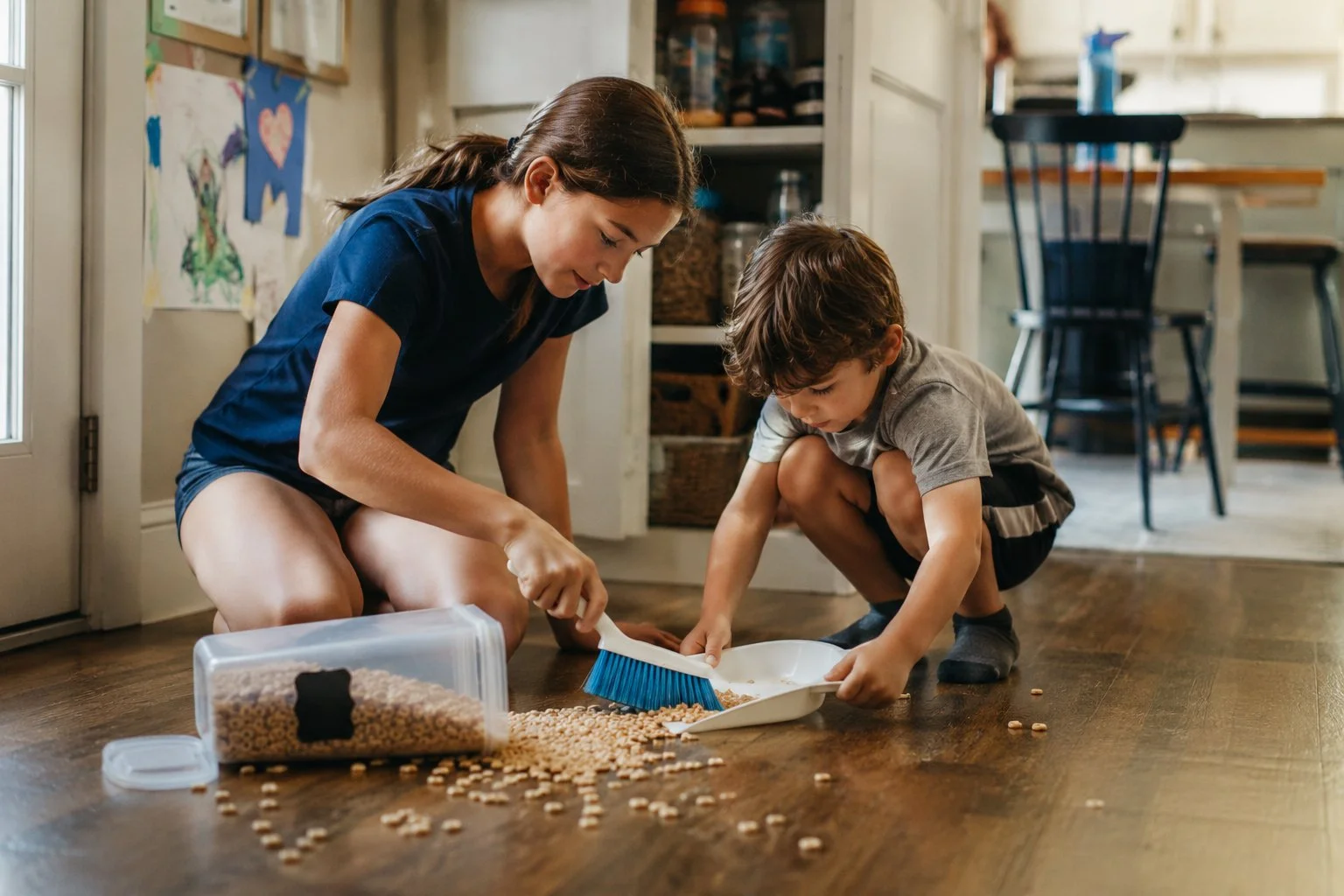
“Good job” might be backfiring
What kids hear after “good job” may not be what we think. This week: David Yeager’s research on praise, motivation, and why some kids stop helping after they fail once.
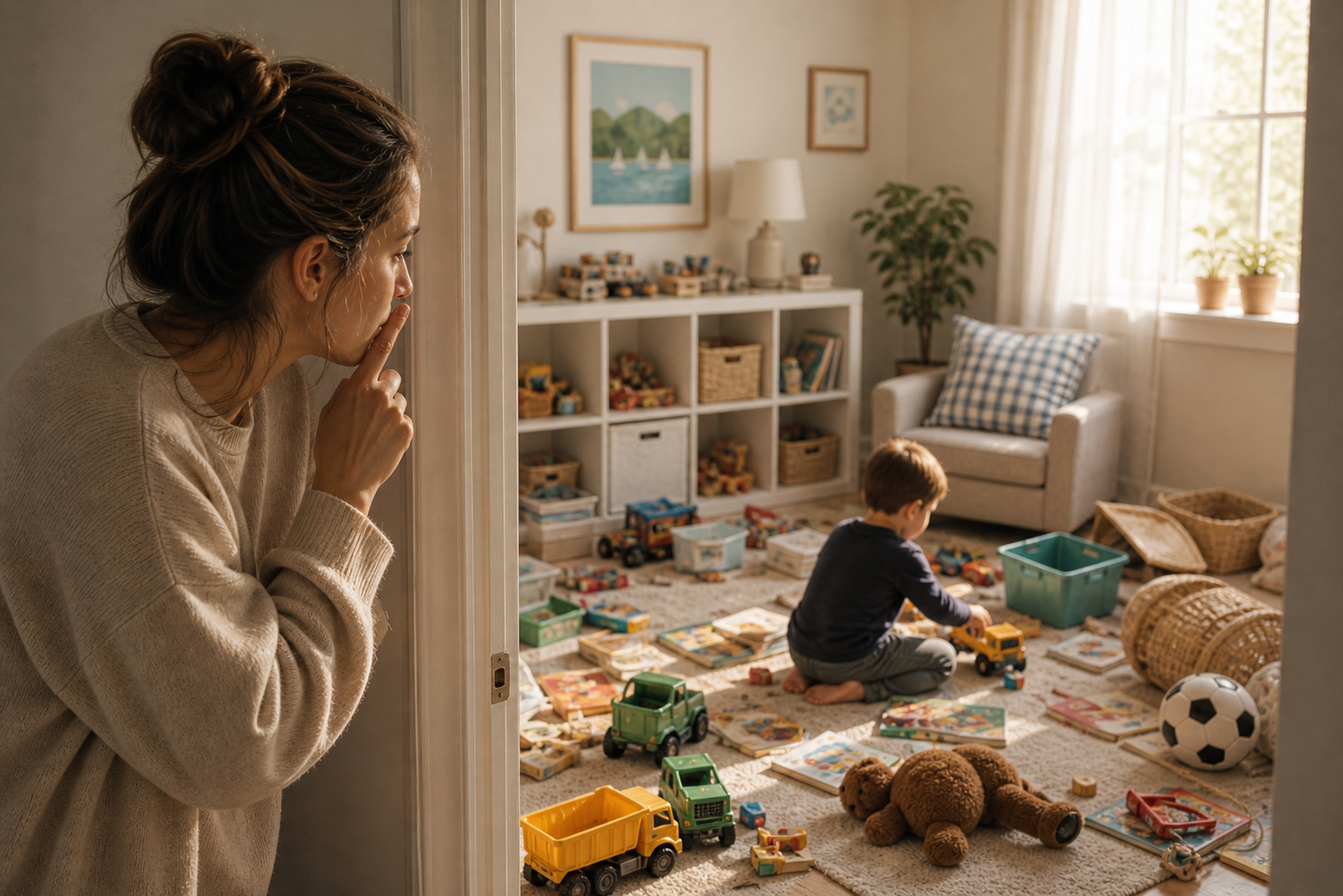
The Formula That Makes Kids Want to Help
Courage doesn’t come from inspiration—it comes from repetition. This week, a simple practice that helps kids take one small brave step, again and again.
The Neighbor We All Need Right Now
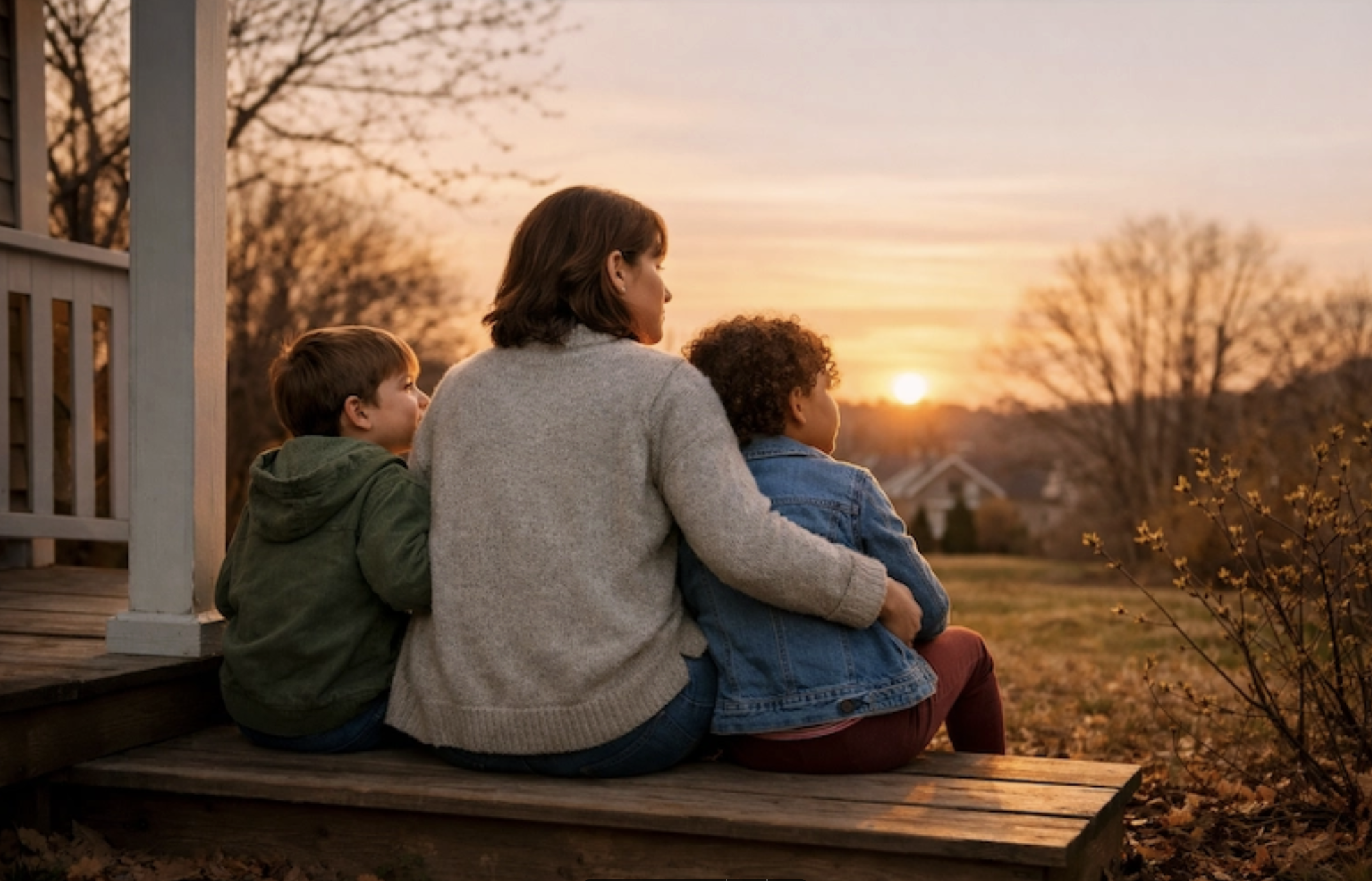
The world feels heavy this week. So we're spending time with Fred Rogers — the man who showed up for children every single time things got scary. His message hasn't changed. And this week, it's exactly what we need.

The Hidden Cost of Raising "Good" Kids
We praise kids who are 'so good'—so polite, so helpful, so easy. But what if they're not thriving... they're just quietly running on empty? This week's story about Simone Biles will change how you think about belonging.
The Magic of Predictability in Family Life
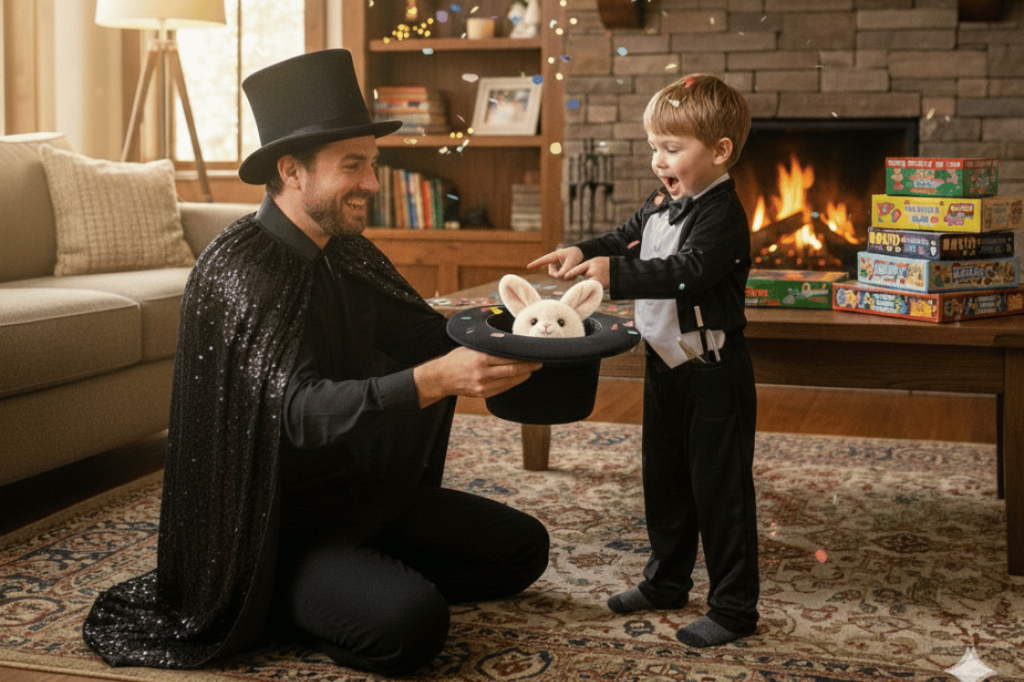
What if predictability is the real magic behind family connection? Discover 5 ways everyday patterns shape rhythm, trust, and how kids respond to the world around them.

Abundance isn’t in the shopping cart. It’s in these 12 gifts.
This season, skip the pressure to overspend. These 12 heartfelt gifts help kids experience abundance in the ways that matter most.

Why Your Child Is Already Wired for Kindness
We tell kids to work hard and earn more. But what if the real secret to success is learning how to give more? Explore how gratitude rewires the way kids think about wealth.

Raising Generous Teens: Small Habits That Build a Giving Identity
If your teen’s wishlist grows longer each year, you’re not alone. These small, doable habits can shift the season from “what I want” to “how I can help,” giving teens simple ways to notice needs, pitch in, and build a genuine identity of giving.

Why Kids Outgrow Magic and How to Raise Their Frequency
It’s not belief that fades. It’s trust. When kids learn the truth, their imagination doesn’t die — it just looks for a new signal. Here's how Harmony Hare helps families tune back into the frequency of kindness, courage, and connection.
From Earning to Returning
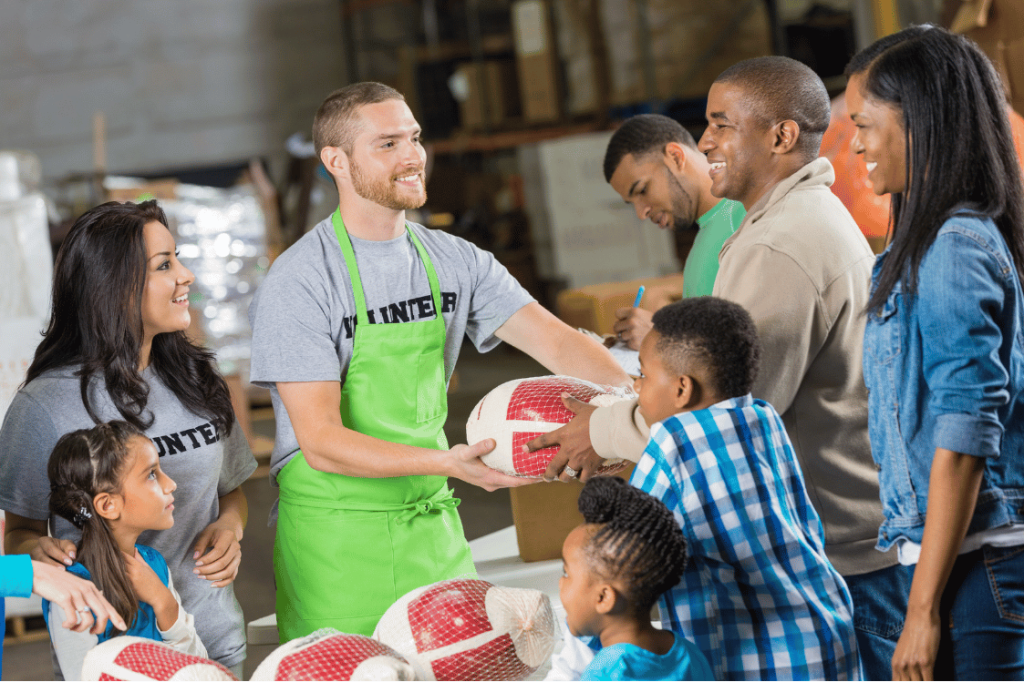
We tell kids to work hard and earn more. But what if the real secret to success is learning how to give more? Explore how gratitude rewires the way kids think about wealth.
Why “Should-ing” Your Kids Shrinks Their Potential
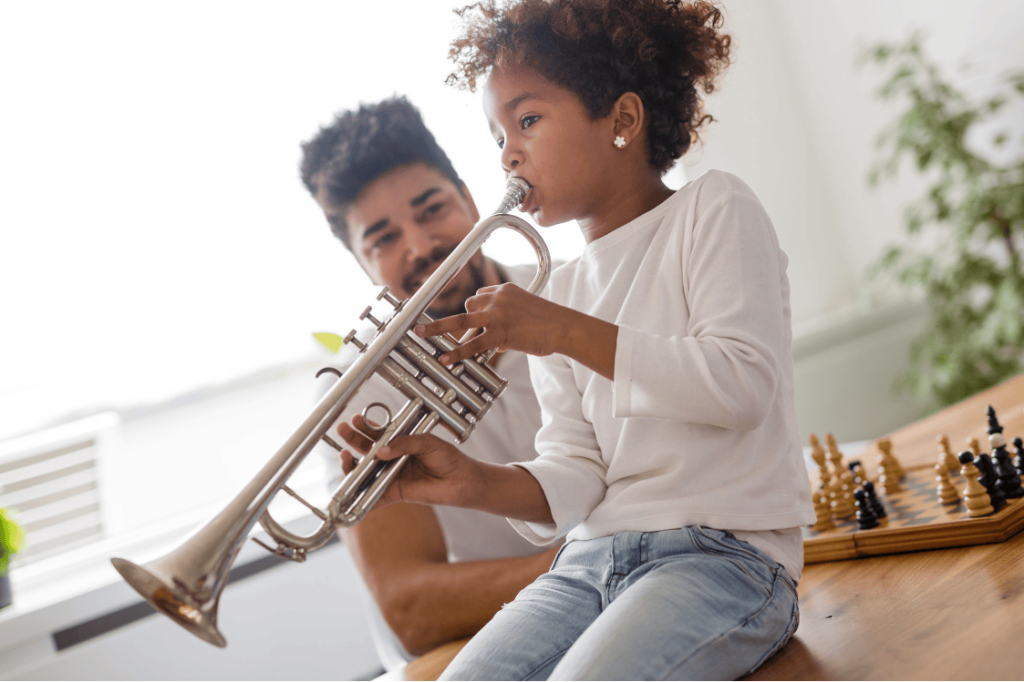
Ever notice how “You should” makes kids shut down? Learn how guiding through their values—not pressure—helps them grow confidence and purpose. Plus, RSVP for our Nov 2 REKindle Webinar to meet a new friend bringing fresh meaning and magic to this season.
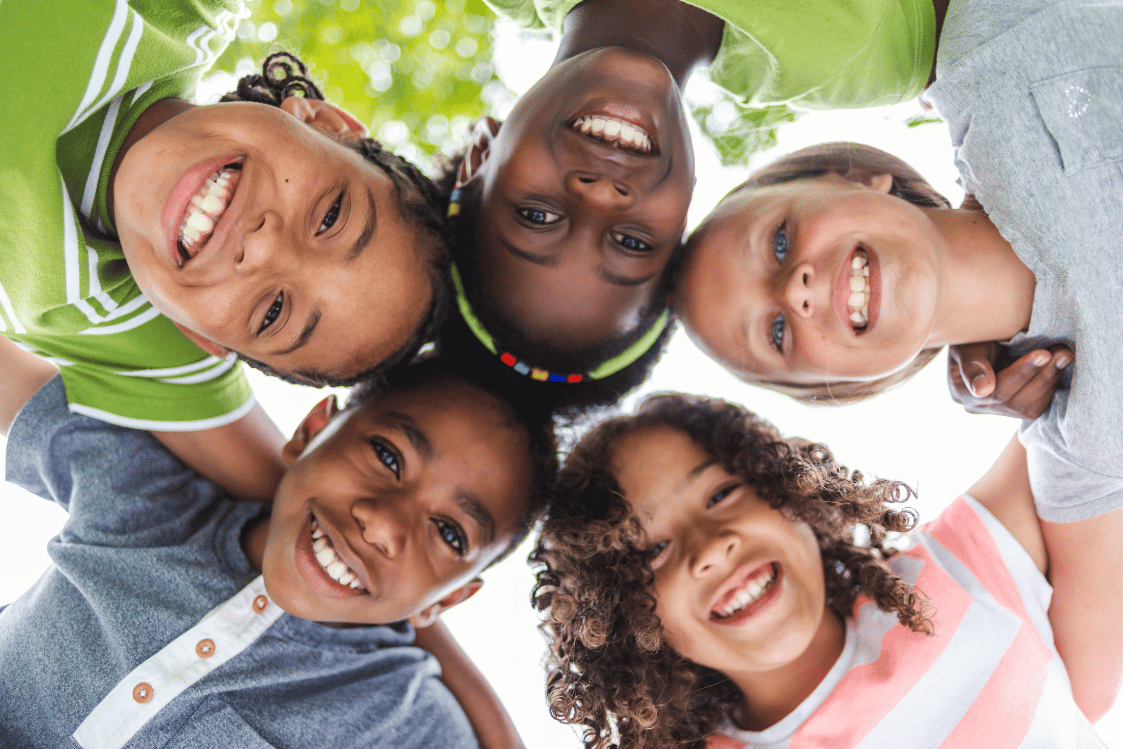
The Price of a Smile: What Happens in the Mouth Doesn’t Stay in the Mouth
Scientists call it oral-systemic health—the idea that what happens in the mouth affects the whole body. Gum health, heart health, even confidence are connected. The real price of a smile? The tiny habits that protect our kids for life.
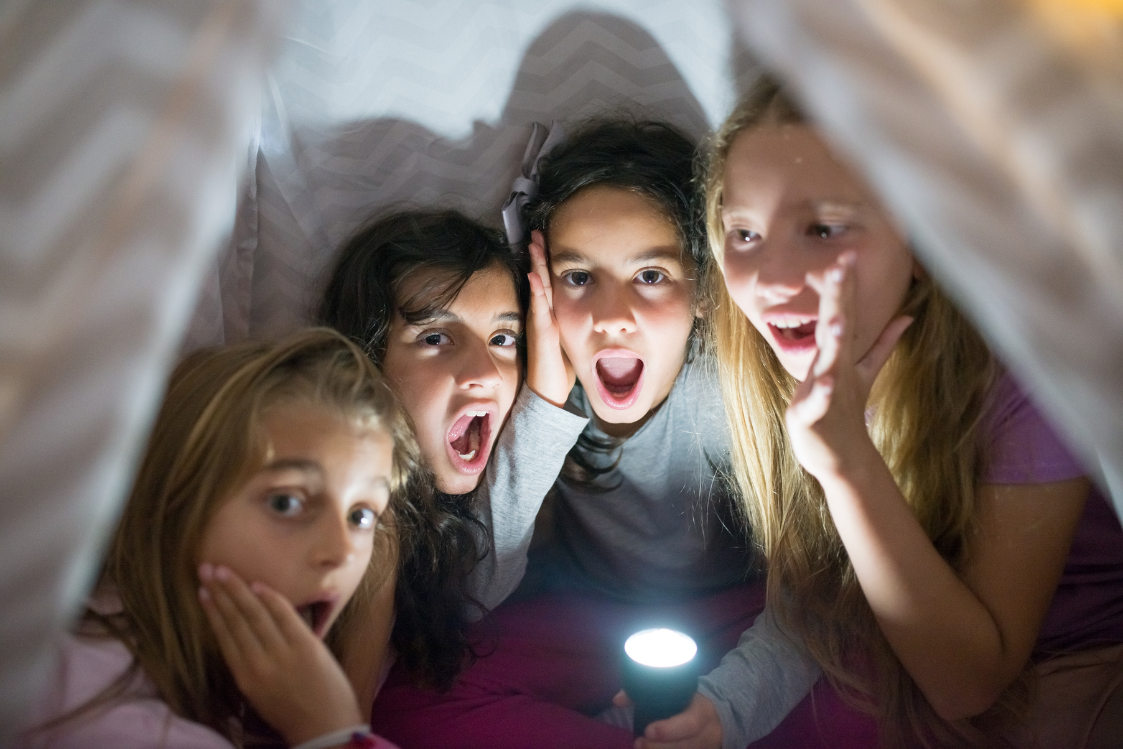
Bedtime Was Just a Suggestion
Bedtime doesn’t have to be a nightly battle. With these 12 tuck-in games, you can swap stalls and scrolls for giggles and connection — and still get everyone to sleep without losing your mind.
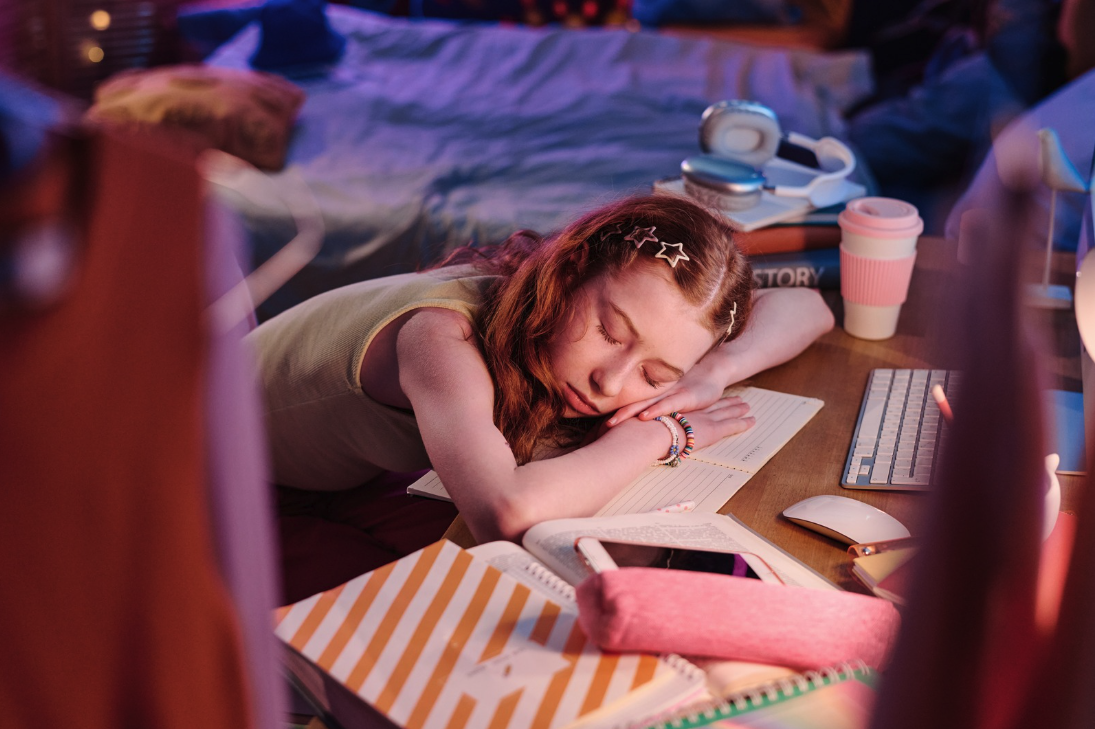
How to help your kids want better sleep
If kids are going to take sleep seriously, they need to know why it actually matters—to them. It affects the things they care about most: how they feel, how they play, how they connect, and how they grow.
Here are five surprising, science-backed facts that we hope will help your kids start to see sleep as something worth protecting.
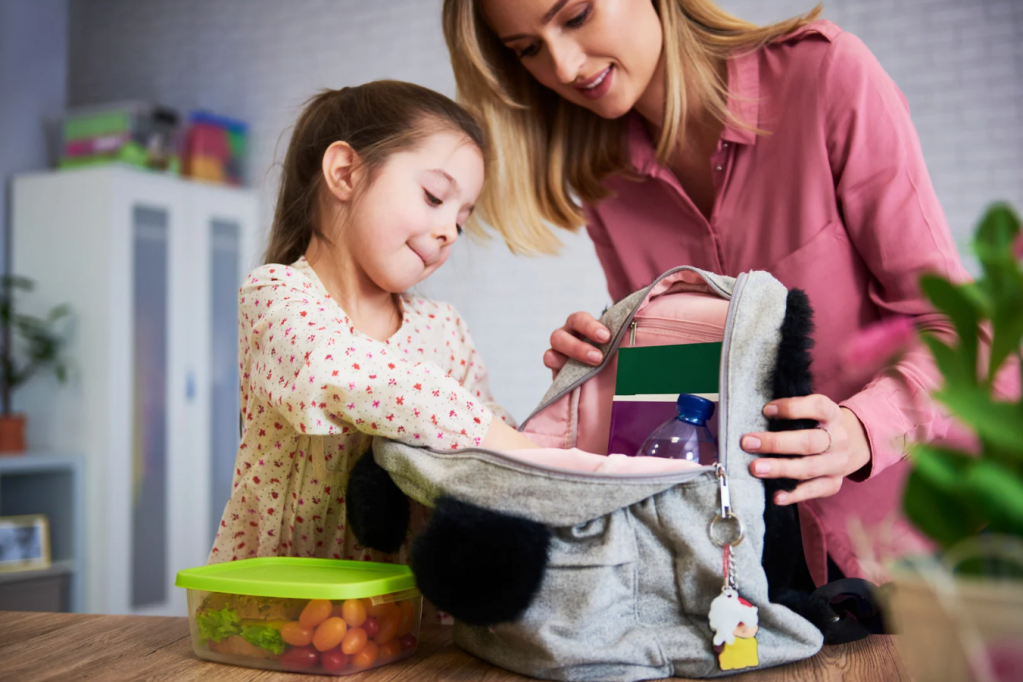
Forget Perfect. Start Thriving.
Back-to-school doesn’t need to mean back to burnout. This free Thrive Guide helps parents reset routines, boost energy, and support the head, heart, and gut—without chasing perfection. Just smart, doable shifts for a smoother school year.

Thank You for Hopping Along with Harmony Hare!
Harmony Hare blends neuroscience, mindfulness, and storytelling to create joyful, transformative experiences for children, educators, and families. Our mission is to uplift the whole child—from head to heart to hands—so every learner feels seen, heard, and valued.