
Brave Gets Easier (for Kids)
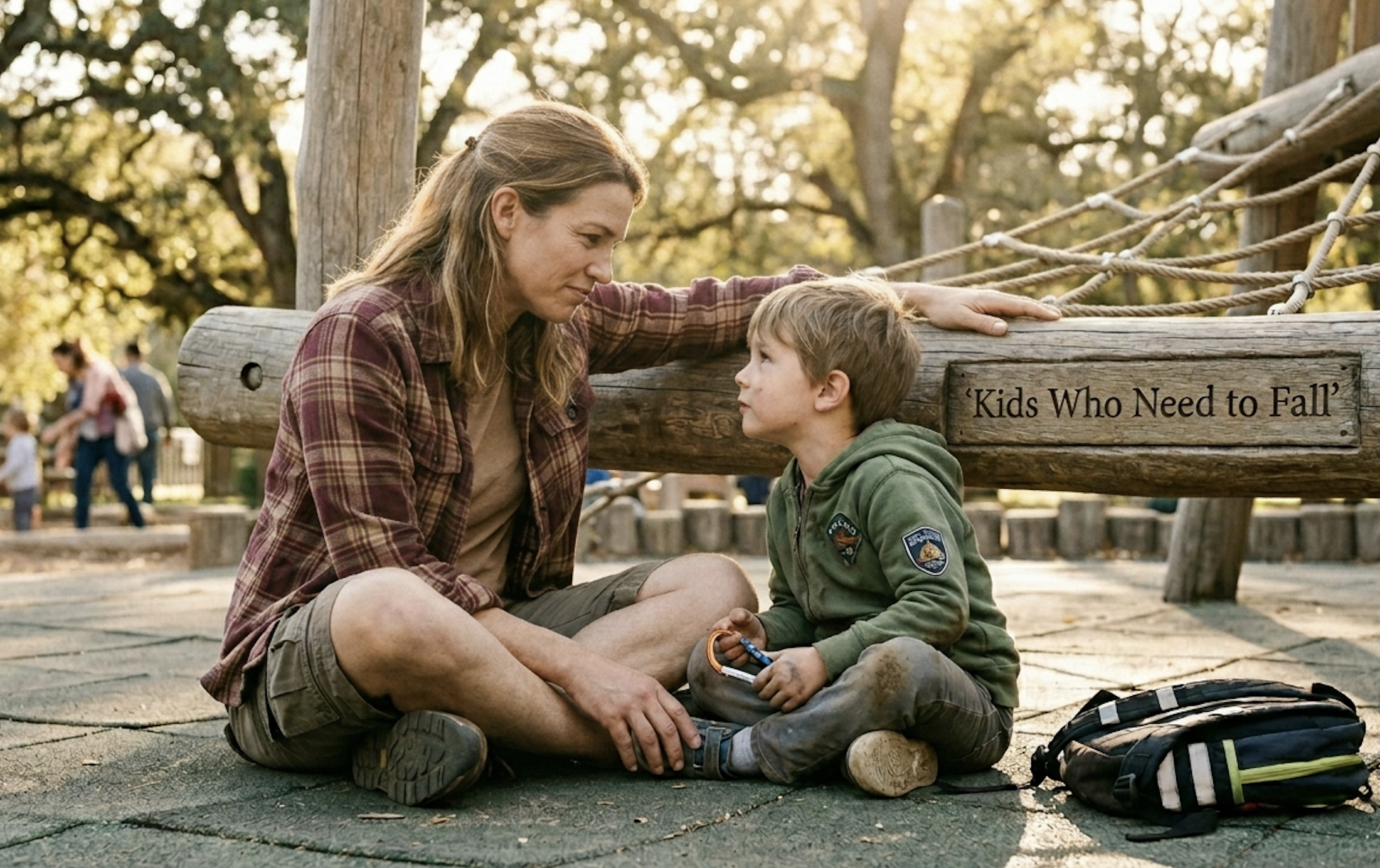
There's a word for what we've been doing, and it doesn't sound as kind as it feels.
Maggie Dent calls it safetyism. It's the quiet, well-intentioned culture of protecting our kids from every scrape, every awkward social moment, every chance of failure before it has a chance to happen. We catch them before they fall. We smooth the road before they walk it. We call ahead to make sure.
And we do it because we love them.
Maggie has spent thirty years working with children, teachers, and parents across Australia and internationally. She's particularly known for her work with the kids she tenderly calls the "sensitive lambs": the ones who feel everything intensely, who freeze at the door of a birthday party, who need a longer runway to warm up, who cry at things that don't visibly affect their siblings.
Her message about these children is consistent, and it took us a while to fully sit with it: the most sensitive kids are not less capable. They are wired more finely and they do not need smoother roads. They need more practice meeting the road as it is, starting from the smallest possible bump.
This week's story is about a young boy who had been given that practice and saved his father’s life.
STORY
Tyler Moon - Brave Under Pressure
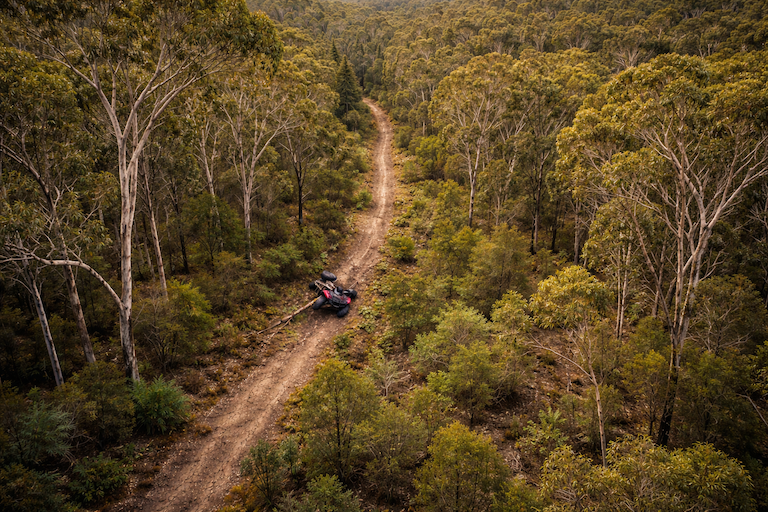
In 2011, Tyler Moon was seven years old and living on the south coast of New South Wales, Australia.
He and his father had gone out together on a quad bike that they’d done before. Just the two of them, riding tracks through the bush behind their property. Then a branch became lodged in the bike’s frame, stopping it suddenly and throwing both of them hard to the ground.
Tyler’s father was badly injured but conscious. Tyler was injured too, though at seven, he did not yet understand how seriously. Both were in significant pain. They had no phone. No one nearby. Just bushland around them and the long track home.
They started walking together until Tyler’s father collapsed and could go no further. He told Tyler to keep going and get help.
Tyler continued alone. He walked the remaining distance back to the house, past scrub and fences and the quiet of the bush, until he reached home and told his mother to call an ambulance. Then he collapsed.
When doctors assessed Tyler, they found multiple broken ribs, two punctured lungs, a broken arm, and other serious injuries. Medical staff later said the extent of his injuries made the distance he walked extraordinary.
In the coverage that followed, Tyler’s family described him as a completely normal kid — not unusually stoic, not especially fearless. He got scared of things the way many children do.
But he had grown up in an environment that handed him small challenges regularly and expected him to meet them. He had fallen off things and gotten back up. He had been given space to try, struggle, and try again. Without knowing it, he had accumulated hundreds of small reps at moving through discomfort.
He had been allowed to practice.
The quiet turn: Tyler’s steady response that day did not appear from nowhere. It had been built slowly, without drama, through a childhood that allowed him to meet hard things at a scale he could handle, long before the day he faced something far bigger.
That is how the muscle gets built. One small brave thing at a time.
SKILL
One Step Toward Braveness
Is there something your child has been avoiding? Something that's been quietly building — a situation, a person, a challenge they haven't been able to face?
Avoidance makes complete sense in the short term. It works. The discomfort goes away. But every time a child fully retreats from something scary with no movement at all, the brain logs it: that thing was dangerous. The next time it appears, the fear arrives a little sooner, a little louder.
Maggie Dent's approach isn't about pushing kids through their fear all at once. It's about finding the tiniest move that still counts as forward.
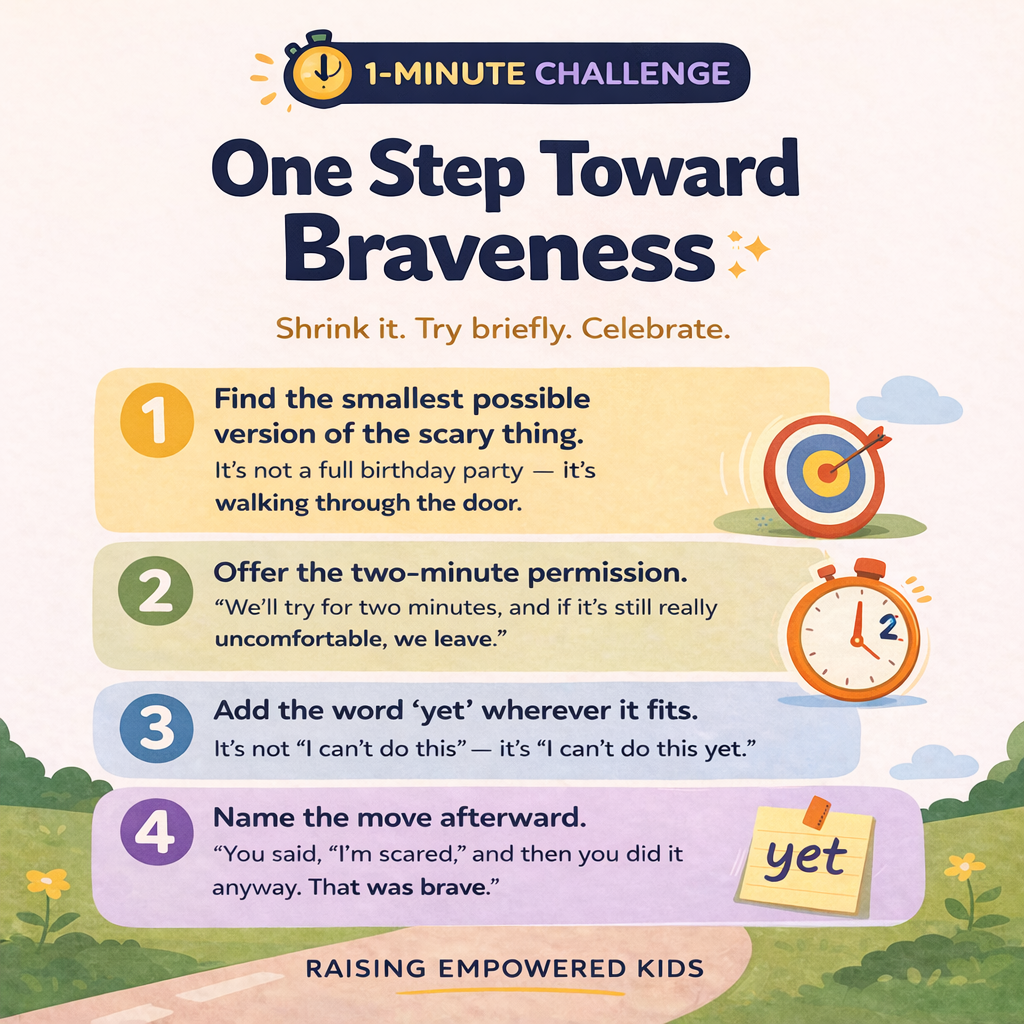
Some weeks the two minutes will stretch to two hours. Some weeks they'll want to leave at two minutes, and that is fine. They moved. They took a rep. They have something they didn't have before.
And honestly… sometimes this is harder for us than it is for them. But they’re often more ready than we think.
TOOL
Consistency Wins
Confidence grows through small reps.
Health does too.
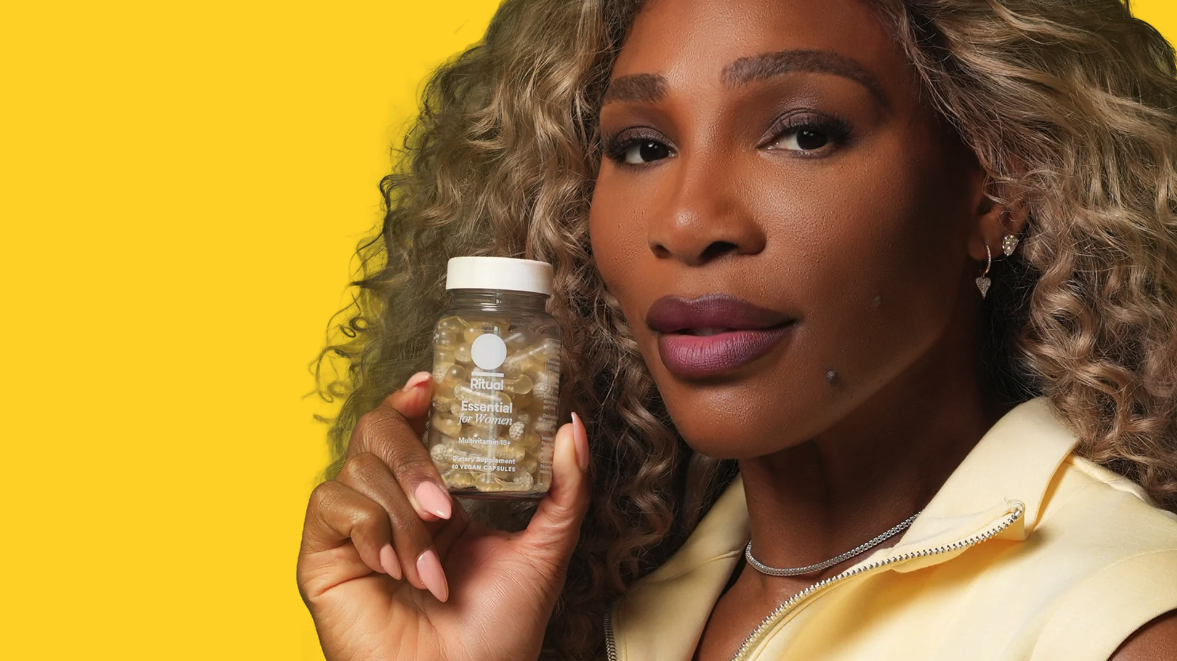
That’s why we love Ritual.
Their formulas use traceable ingredients, are Clean Label Project Certified for purity so you know what’s in your capsule and where it comes from.
And the best part? One simple habit for women or men. No juggling five different bottles. Just a small daily step that supports long-term wellbeing.
Because tiny habits, repeated, create real change.
👉 See what’s in the cool capsule
Using our link helps support REK.
Before you go…
This month is Global Volunteer Month — a reminder that courage often grows when kids realize they can help.
It’s the same thread running through this week’s story: courage doesn’t usually arrive all at once. It grows through small moments where kids discover they can handle something, help someone, or keep going even when things feel hard.
If you’d like to see Tyler’s story, watch this video with your kids as an inspiration of how ordinary kids can do extraordinary things when the moment asks them to.
Source: 60 Minutes Australia
By the way, if you’re here reading this each week, you’re already doing something really important. You’re creating small opportunities for your child to stretch, try, wobble, and discover what they’re capable of.
Thanks for following our curiosity on courage with us. Next week, we’ll share one of the simplest tools we’ve found for helping brave moments build across time.
Your friends at REK,
Adam & Matthew Toren, Sylvia Tam, and Tammy Vallieres

Our new member hub is live — free activities, conversation starters, and resources for your family. Access it here.
“We need to stop trying to create a perfect world for our children and instead prepare them to thrive in an imperfect one.”