
It’s 2/22… which feels like the universe whispering: “Hey. Maybe try being a little more human today.”
Because here’s the thing about belonging: we don’t lose it in the big moments.
We lose it in the tiny ones — when we’re trying to be easy, nice, low-maintenance, helpful… (aka: “please don’t be mad at me.”)
This week we’re borrowing a simple idea from Radha Agrawal (she literally builds communities for a living): belonging isn’t a personality trait. It’s a practice. Something we can create in small ways — on purpose.
If you haven’t met Radha yet, she’s the co‑founder of Daybreaker, the early‑morning dance movement that started with a handful of friends in a New York basement and has now reached over half a million people in 30+ cities around the world. She’s proof that one small, joyful idea can ripple into a global wave of connection — all before breakfast.
So we’re turning 2/22 into a mini challenge we can try as a family. But before we dive in, let’s ground it with a quick story that shows the way humans have been wired to find each other since the beginning.
The First Tables
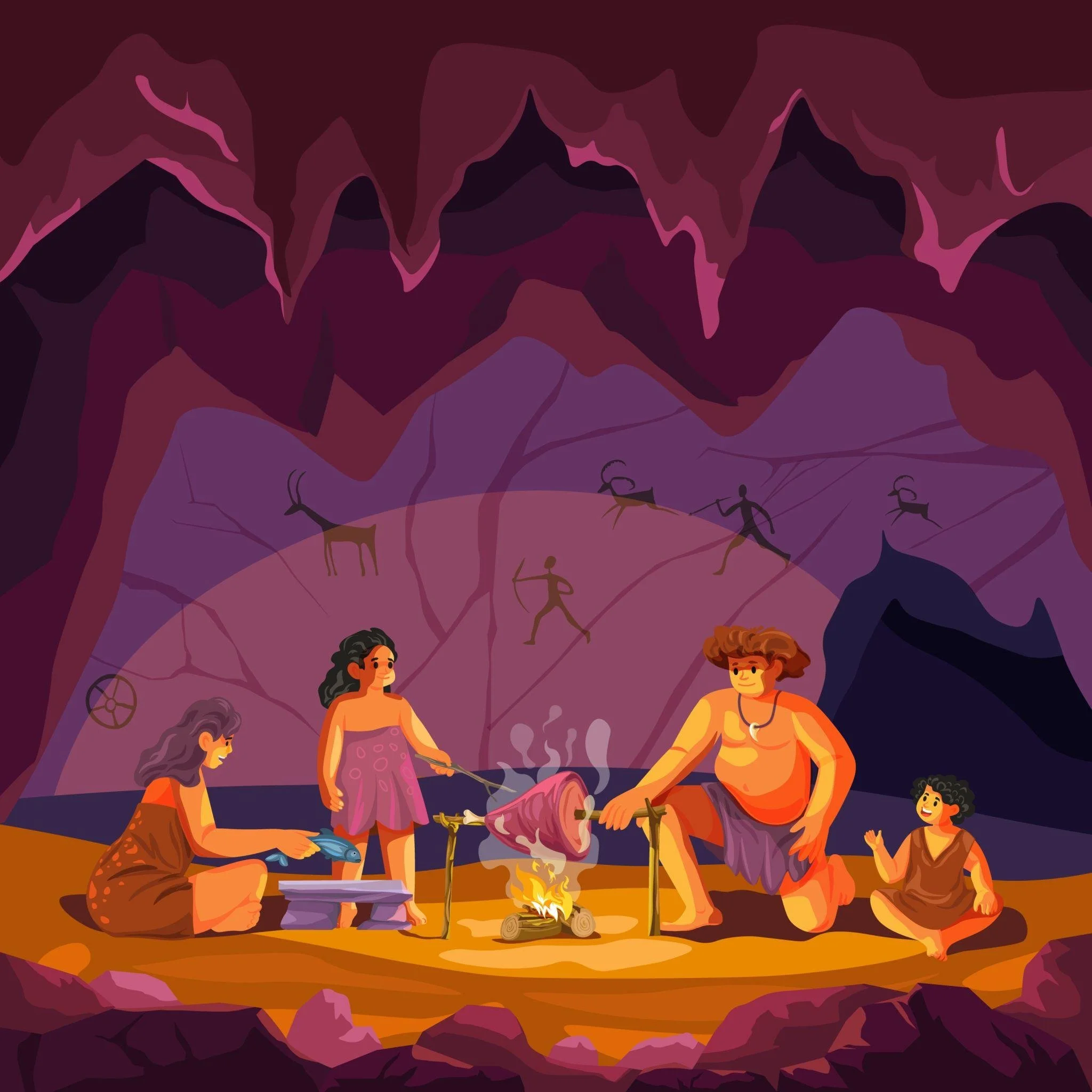
Photo: Dreamstime
Around 25,000 years ago, in what is now the Czech Republic, early humans did something revolutionary.
They didn't just eat around a fire. They arranged themselves in a circle around it.
Archaeologists found these ancient hearths with something unexpected: a pattern. The placement of tools, bones, and seating spots showed these weren't random meals. People sat facing each other. Looking across the flames.
Before that, meals were mostly about survival — grab food, eat fast, avoid theft.
But sitting in a circle? That required something new: trust.
Anthropologist Martin Jones from Cambridge studies these early communal meals. His research shows that when humans started eating face-to-face, everything changed. We had to make eye contact. Share stories. Read each other's expressions.
Eating together wasn't just about food anymore. It was about creating us.
This is where language got sharper. Where cooperation deepened. Where belonging became more than proximity — it became connection.
The fascinating part? Modern research shows the same pattern holds today. People who eat together more often report being happier, more trusting, and more engaged with their communities.
Belonging didn't start with community centers or group chats.
It started around a fire, with people choosing to face each other instead of turning away.
222 Challenge
Ever notice how easy it is to be near people without actually connecting?
Radha Agrawal teaches something called D.O.S.E. — the four feel-good chemicals our brains need for connection: Dopamine, Oxytocin, Serotonin, and Endorphins.
But we're keeping it parent-simple.
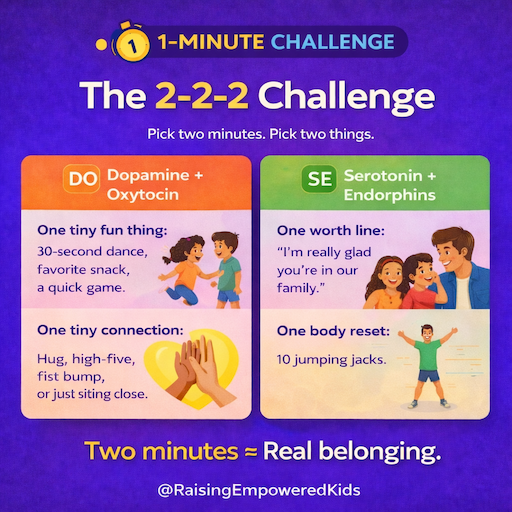
This week, try this with your kids (or just for yourself): Pick two minutes. Pick two things.
Option 1: DO (Dopamine + Oxytocin)
One tiny fun thing: A 30-second dance, a favorite snack, a quick game.
One tiny connection: A hug, high-five, fist bump, or just sitting close.
That's it. Two minutes of fun + touch = belonging.
Option 2: SE (Serotonin + Endorphins)
One worth line: "I'm really glad you're in our family" (or "I'm glad we're friends" or "You matter to me").
One body reset: 10 jumping jacks, shake it out, silly walk to the kitchen.
That's it. Two minutes of worth + movement = a nervous system reset.
The whole challenge:DO or SE. Two minutes. Real belonging.
Not perfect. Not scheduled. Just intentional.
Try it once today (2/22). Try it again tomorrow. See what happens.
Before you go…
Quick heads up: we just launched our brand new website this month. Have you checked it out yet? Sign up for free resources you can do with your kids
March is Parenting Awareness Month and we're celebrating with a GRAND OPENING of the REK Store!
We’ve got fresh new merch: T-shirts, tote bags, journals, and caps — all designed to help you raise empowered humans and look good doing it.
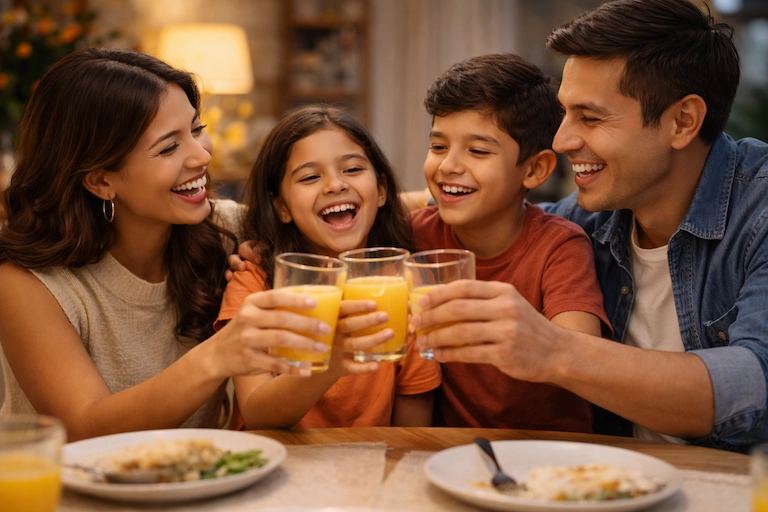
👉 Check out the REK Store and grab your Grand Opening special
If you want a little more on belonging and community-building, Radha Agrawal’s talk is worth a few minutes:
Source: Radha Agrawal, Founder of Daybreaker
Your friends at REK,
Adam & Matthew Toren, Sylvia Tam, and Tammy Vallieres

“Belonging is the opposite of loneliness. It’s a feeling of home, of ‘I can exhale here and be fully myself with no judgment or insecurity.’”