
The Ordinary Magic of Resilience
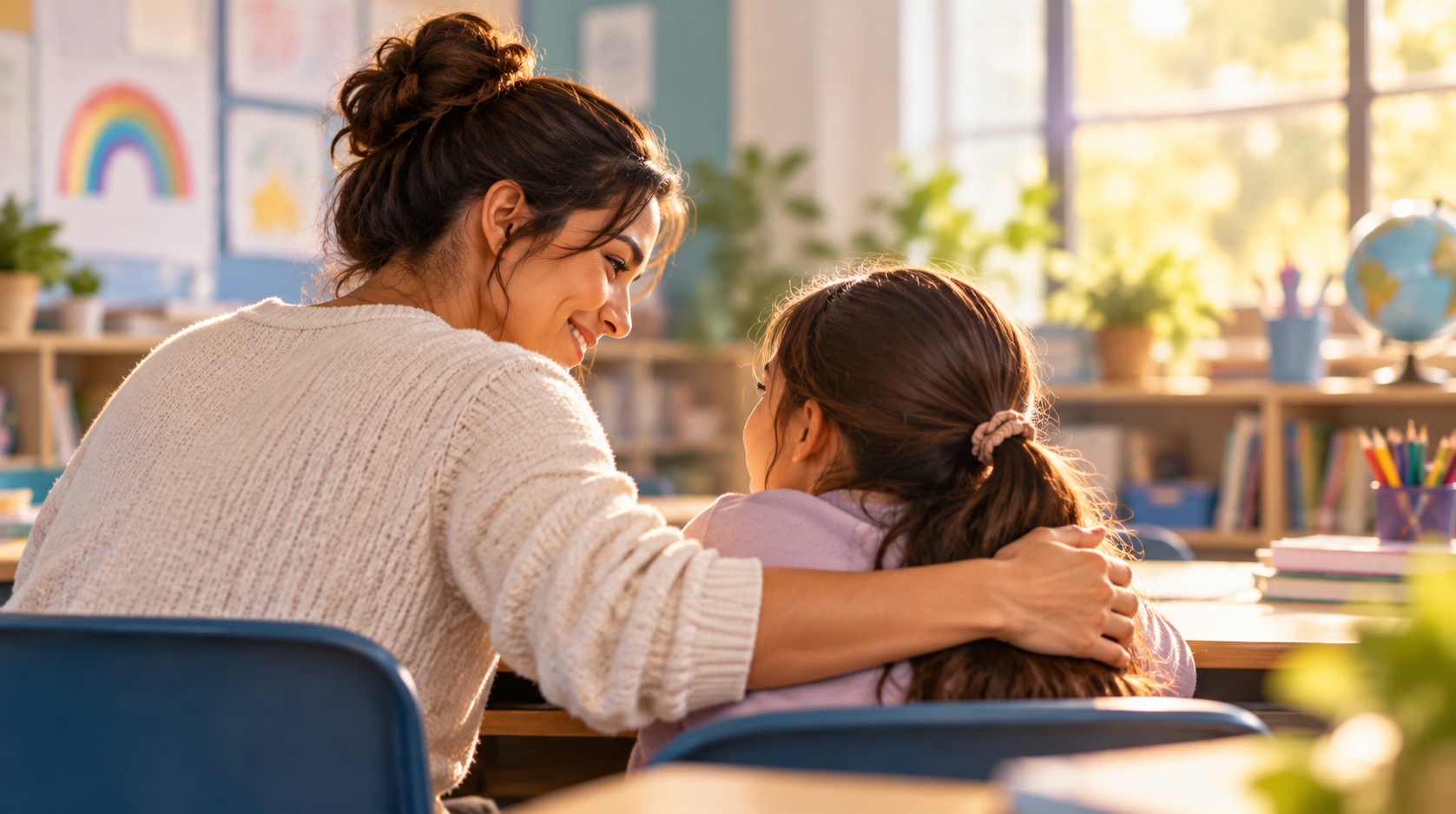
Happy October, friends.
Think about the last time something didn't go your child's way. A lost game. A friend who said something unkind. A plan that fell apart at the last minute.
Did they bounce back? Or did it knock them sideways for a while?
This month, we're exploring Adaptive Strength: the capacity to meet change, setbacks, and surprises, and keep moving forward.
It's easy to assume some kids just have it and some don't. But one of the longest studies in child development points to something far more hopeful.
Resilience isn't rare. It's ordinary. And it's built from things you're probably already doing.
HERO STORY
The Children of Kauai
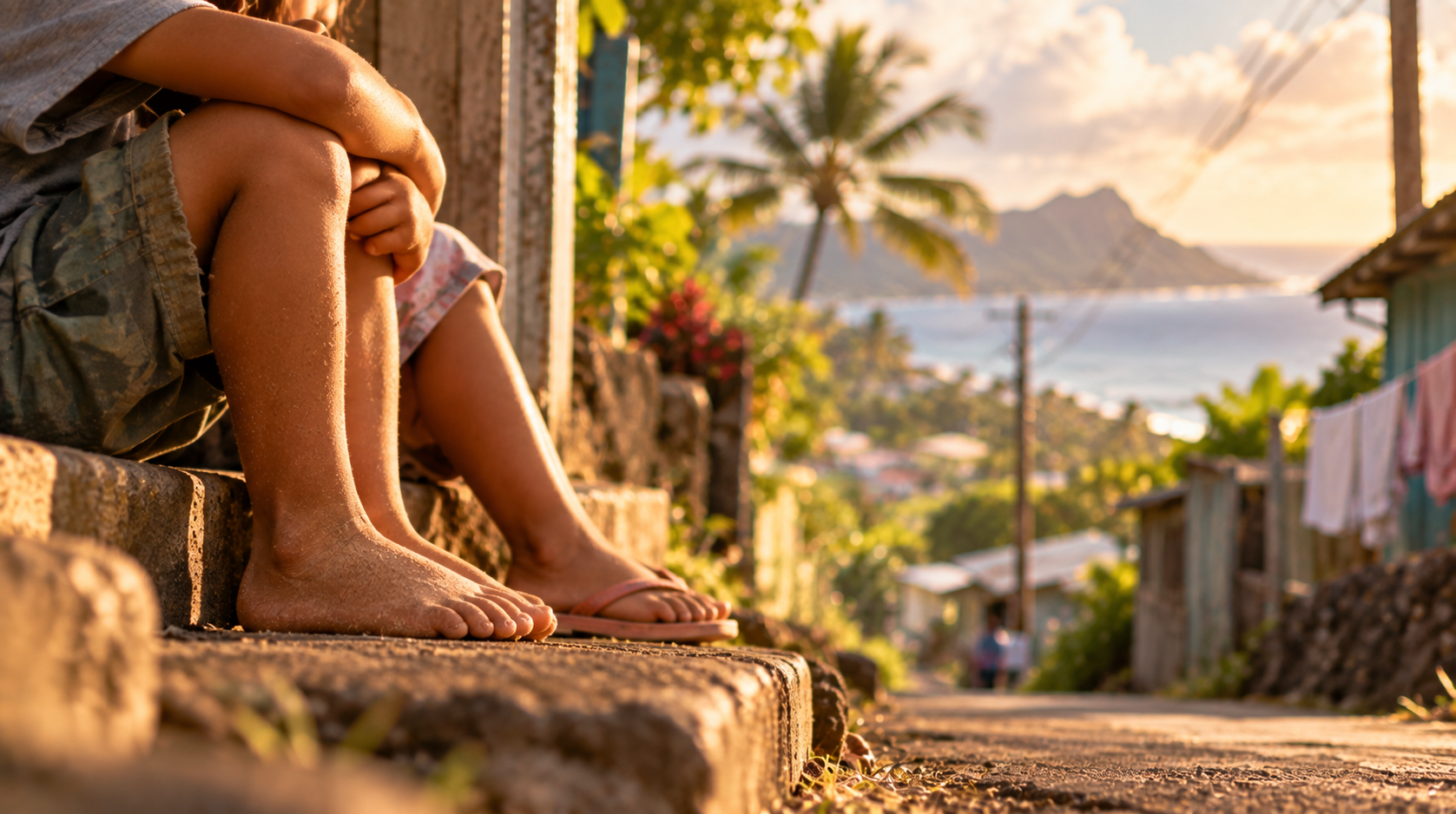
In 1955, a team of researchers led by developmental psychologist Emmy Werner set out to do something no one had done before.
They would follow every baby born that year on the Hawaiian island of Kauai. All 698 of them. From before birth into adulthood, for four decades.
About a third of those children were growing up with serious challenges: poverty, family conflict, a parent who was ill. Conventional wisdom said these kids were headed for trouble.
Many did struggle. But roughly one in three of the highest-risk children grew into competent, caring, confident adults. And more found their footing later in life.
So what made the difference?
There wasn’t one secret ingredient. But again and again, Werner found protective relationships in these children’s lives — a parent, a grandparent, a teacher, an older sibling. Someone they could count on.
University of Minnesota psychologist Ann Masten gave it a name: ordinary magic.
Werner went looking for what went wrong. She ended up documenting what went right.
And what went right is something every one of us can offer.
THE TINY TRY
Notice the Ordinary Magic
When your child hits a bump, what do they usually hear about it afterward?
Most of us jump to fixing it. That makes sense. But kids also need a chance to notice that they got through it.
Werner found that resilient kids had a growing sense that they could handle things. That belief doesn't come from being told. It comes from seeing your own evidence, one small moment at a time.
This week at dinner or bedtime, try asking each person to share one thing that didn't go as planned today, and one small way they handled it.
For younger kids (5–9): "What was tricky today? What did you do?"
For older kids (10–17): You might go first. Teens often open up more when a parent shares their own.
Small counts. "I forgot my lunch and a friend shared hers" is ordinary magic too.
Some nights you'll get one-word answers. That's okay. You're still showing up, and that's the part that matters most.
Before you go…
Tomorrow Oct 5th is World Teachers' Day, which feels just right for a week about steady adults.
So much of what helps kids bounce back looks small from the outside. A question at dinner. A grandparent who always picks up the phone. A teacher who notices, and stays a little longer on a hard day.
We see that every week in our own Tammy Vallieres, who brings Hero Intelligence® into her classroom and helps kids find the hero already inside them.
Harvard researchers picture resilience as a seesaw. Every adult who keeps showing up tips it toward the good side.
Source: Center on the Developing Child at Harvard University
If a teacher has been that steady adult for your child, this might be a nice week to tell them.
Coming up: those butterflies before a big test or game? They might just be your child's body cheering them on.
Your friends at REK,
Adam & Matthew Toren, Sylvia Tam, and Tammy Vallieres

Our new member hub is live — free activities, conversation starters, and resources for your family. Access it here.
“Resilience does not come from rare and special qualities, but from the everyday magic of ordinary, normative human resources…”