
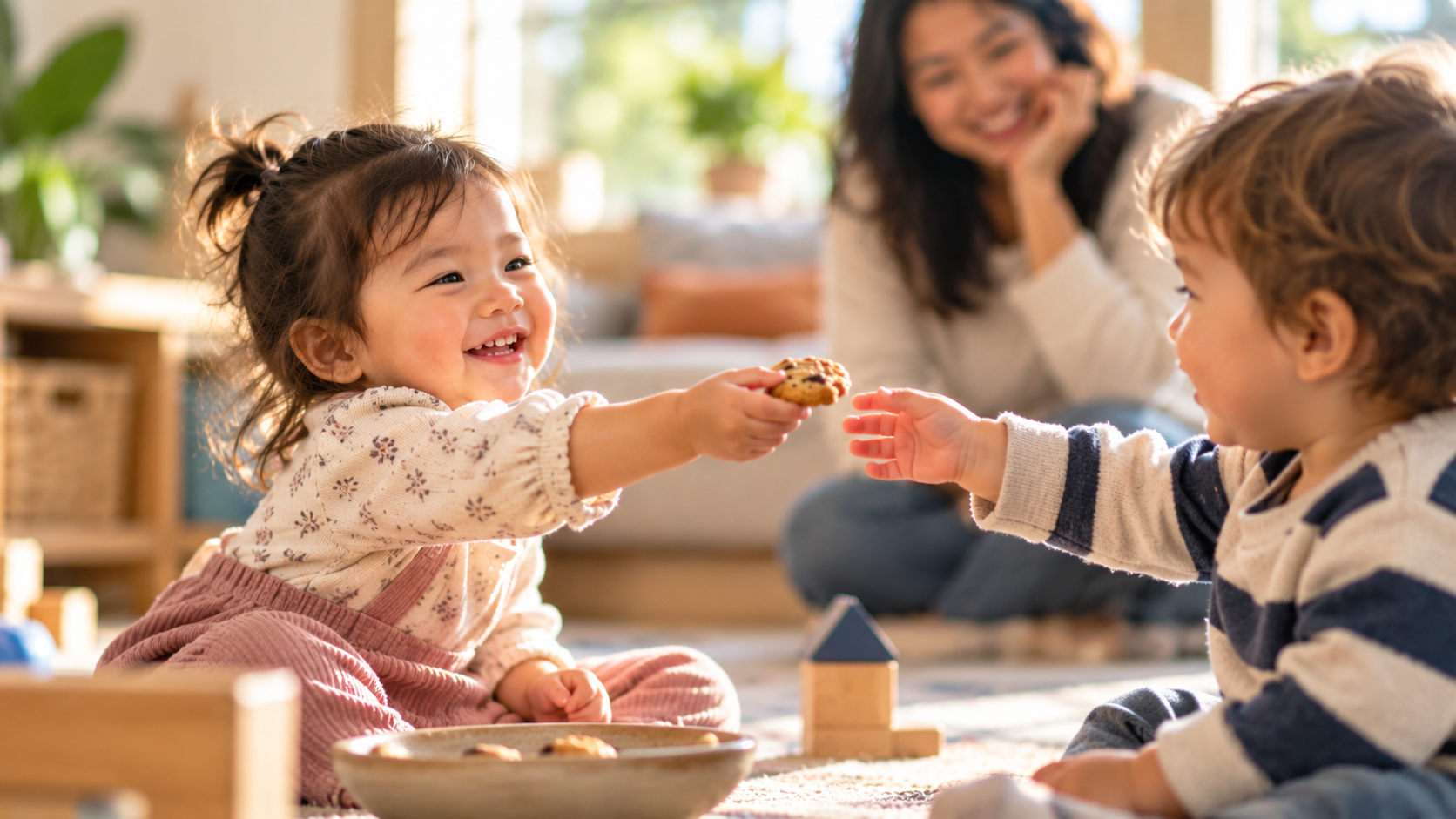
This past Friday was World Kindness Day. So here's a question: do kids have to be taught to enjoy giving?
At the University of British Columbia, psychologist Lara Aknin and her colleagues gave toddlers, all under age two, a few treats. Then a puppet asked them to share.
The toddlers looked happier giving a treat away than getting one. And they looked happiest when the treat they gave was their own.
The joy of giving shows up before kids can even say the word.
This week, we're looking at it through a lens you might not expect: business. Some of the most meaningful ones start with someone who simply wants to help.
HERO STORY
A Lollipop With a Purpose
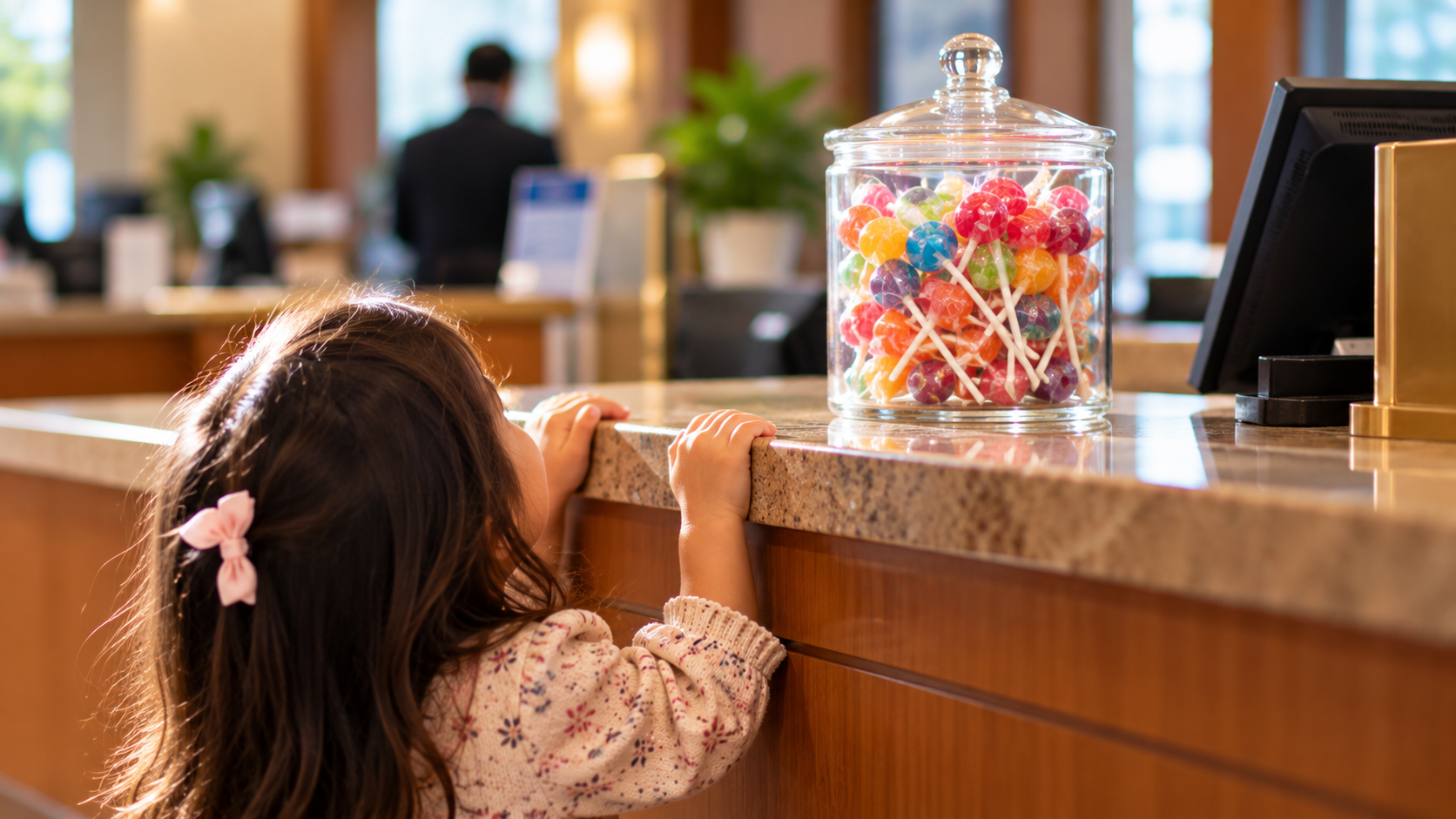
Have you ever been told, "No candy. It's bad for your teeth"?
That's exactly what happened to Alina Morse.
When she was 7, Alina went to the bank with her dad in Michigan. The bank worker offered her a lollipop. Her dad said no. Sugar is bad for your teeth.
Alina had a question. Why can't there be a lollipop that's good for your teeth?
She asked her dad to help her make one. And asked. And asked. More than 100 times, over several months, until he finally said yes.
Then the hard part started. Alina spent two years researching. She worked with a food scientist and with her dentist. She made test batches in the family kitchen, and lots of them didn't work.
Finally, she had it: a sugar-free lollipop made to be kind to teeth. Her little sister Lola gave it a name. Zollipops.
Today Zollipops are sold in thousands of stores. At 13, Alina became the youngest person ever on the cover of Entrepreneur magazine.
And early on, she made a choice about the money. Ten percent of her profits would go to teaching kids in schools how to care for their teeth.
A lollipop for one kid is a snack. A lollipop that helps every kid's smile is a purpose.
Talk about it: If you could invent something to help other kids, what would it be?
THE TINY TRY
Give Something of Your Own
When did your child last give away something that was really theirs?
Most of the giving we ask of kids is hand-me-downs: outgrown jackets, toys they stopped playing with months ago. Yet Dr. Aknin's toddlers were happiest giving their own treat.
Why it helps The benefits grow with age, too. In a study led by Hannah Schreier at the University of British Columbia, tenth graders who helped younger kids an hour a week for about two months showed healthier hearts afterward. Teens whose empathy grew most benefited most.
Want to give it a try? This week, you might help your child give one small thing that's truly theirs.
For younger kids (5–9): Bake or draw something together. Keep one, and give one away to a neighbor, a teacher, or a grandparent.
For older kids (10–17): Think like Alina. What's one thing you could make or do, and who could a piece of it help?
It doesn't have to be big. One cookie counts.
Before you go…
Tomorrow kicks off Global Entrepreneurship Week (Nov 16–22), when people around the world celebrate those who start something new.
Some of the best businesses begin exactly like Alina's: with a kid who notices a problem, and keeps asking until someone helps.
This short clip shows Alina in action, talking about how it all started in her kitchen.
Source: Alina Morse, founder and CEO of Zolli Candy (ABC7 / Localish)
And if you’re already thinking about holiday gifts, pediatrician Dr. Wendy Hunter shares five ways gift-giving can teach kids kindness, from homemade presents to helping kids notice the joy they create.
Next Sunday, just before US Thanksgiving: the family stories your kids might not know yet, and why knowing them matters more than we think.
Give a little. Keep a little. Notice how it feels.
Your friends at REK,
Adam & Matthew Toren, Sylvia Tam, and Tammy Vallieres

Our new member hub is live — free activities, conversation starters, and resources for your family. Access it here.
“I hope every kid in America has a clean mouth, a healthy smile and a Zollipop in their hands.”