
The Hundred Languages of Children
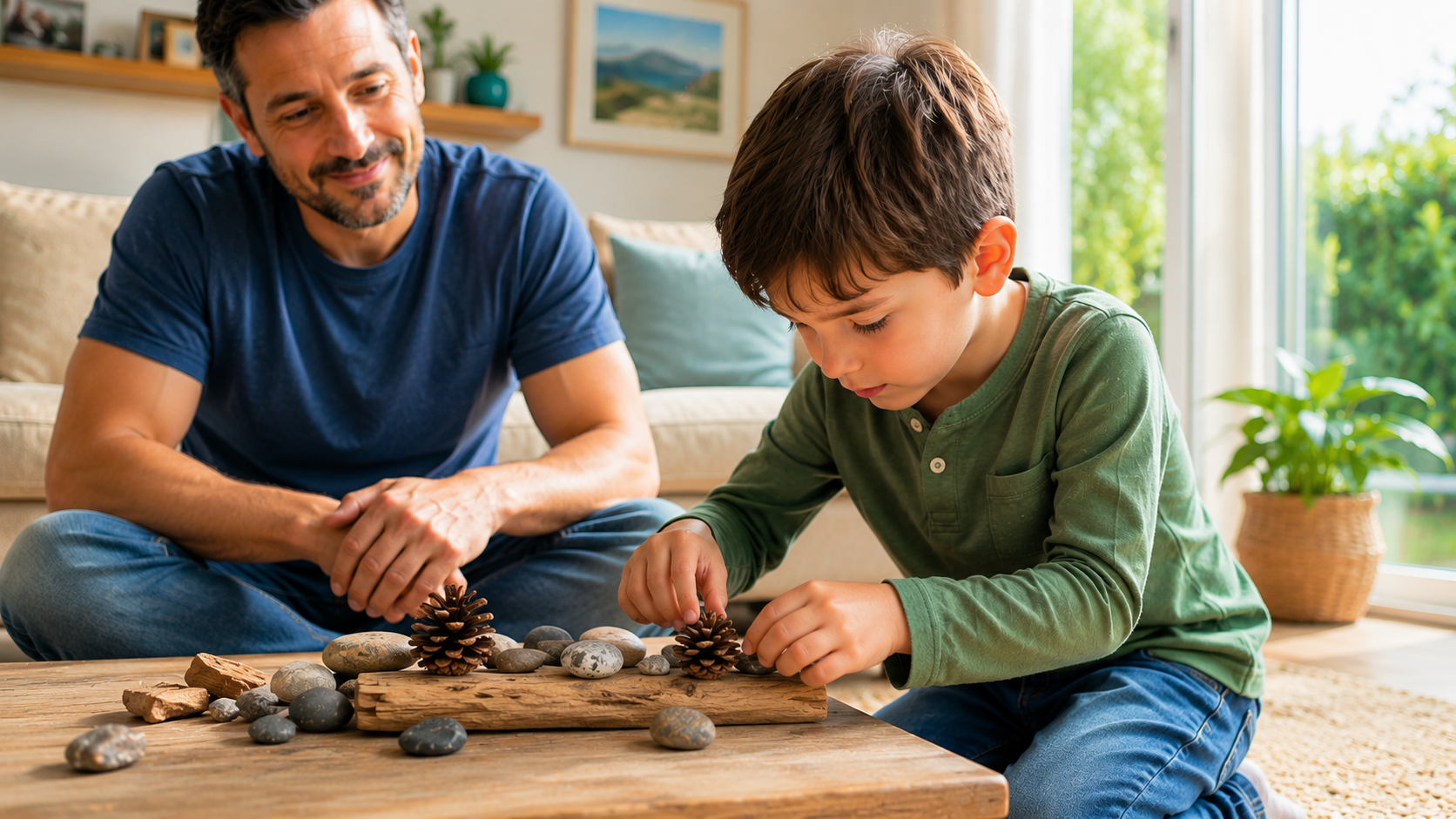
Happy Father's Day weekend!
To all the dads, stepdads, grandads, and father figures in this community — thank you. The curious, attentive, present kind of fathering is one of the most powerful forces in a child's development. We see you.
We also have something fun to share at the end of this email: we're announcing the winners of our Big Idea Challenge. See who won a free scholarship to Camp Supernova!
Now, back to this week's theme.
We're spending time with one of the most visionary educators of the twentieth century: Loris Malaguzzi, the Italian founder of the Reggio Emilia approach. His central idea was radical for its time — and honestly, still is.
He believed that children arrive in the world not as empty vessels waiting to be filled, but as researchers. Thinkers. Creators. Expressers. He said children have a hundred languages — a hundred ways of thinking, playing, building, and making sense of the world.
And then, he said, we take ninety-nine of them away.
This week, we're learning what it looks like to give some of them back.
STORY
THE BOY WHO PAINTED WHAT HE SAW
There's a story about a young boy in Málaga, Spain, in the 1890s.
He was small, quiet, and almost startlingly observant. He watched the world the way most children watch something they can't quite believe is real — closely, slowly, with total absorption. When other children played, he drew. When the family gathered at the table, he sketched the shapes of faces in the margins of whatever paper he could find.
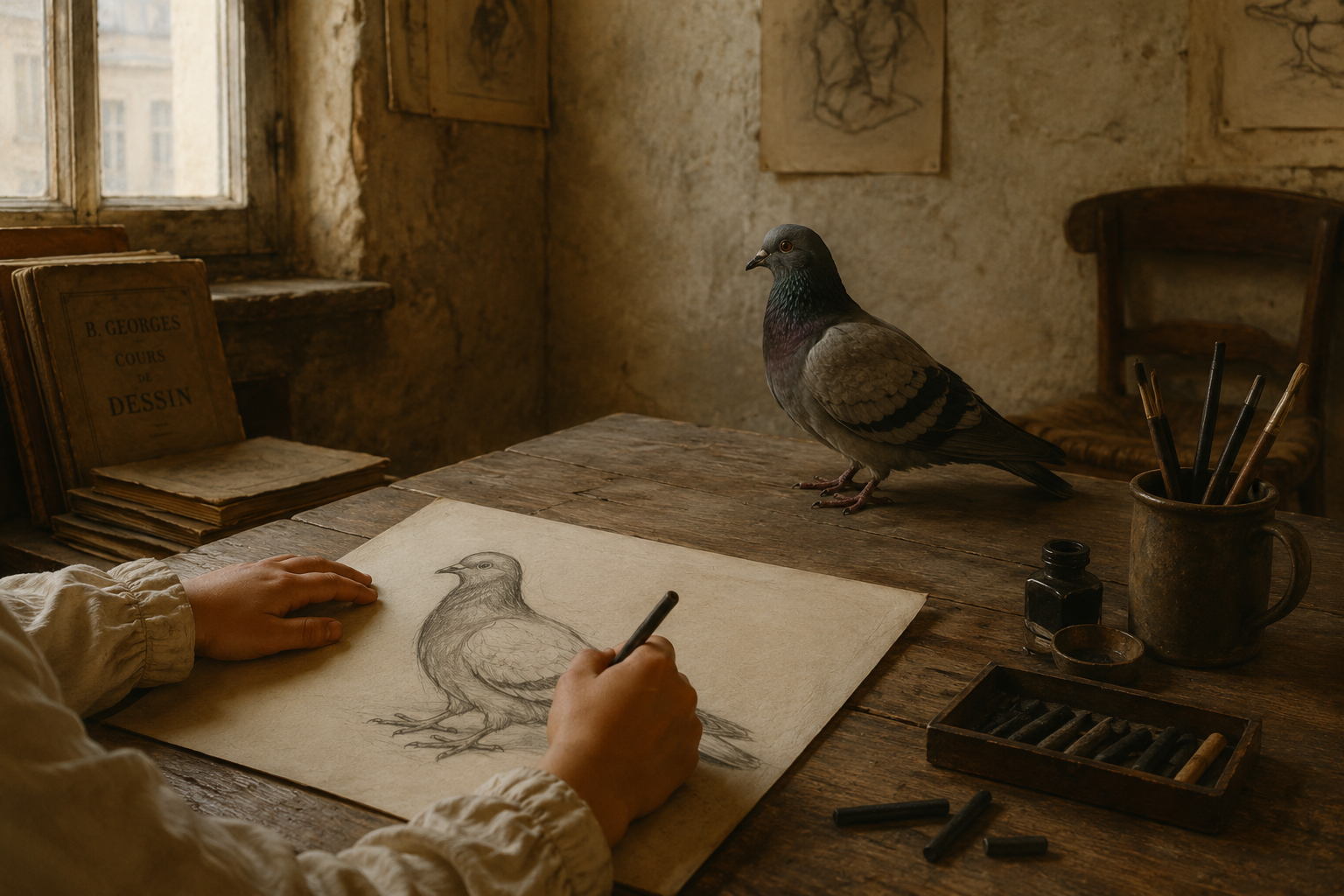
His father was an art teacher, and he recognized something in his son early. He didn't give him lessons, exactly. He gave him materials. He gave him space. He set a pigeon down on the table one afternoon and simply watched as his young son tried, again and again, to draw it.
What he noticed was that the boy wasn't trying to draw what a pigeon should look like. He was drawing what he saw. The weight of the body. The particular tilt of the head. The way the light caught one wing differently than the other. He was, at six years old, already doing what great artists spend their whole lives learning to do again.
That boy was Pablo Picasso.
Picasso later said that it took him four years to learn to paint like Raphael — and a lifetime to learn to paint like a child. What he meant was that children see without filters. They express without editing. They reach for the truest version of what's in front of them, and they don't yet know to be afraid of getting it wrong.
The quiet turn here isn't that Picasso became famous. It's that his father understood something Malaguzzi would later put into words: a child's way of seeing is not a lesser version of an adult's. It is its own language. And it deserves a page.
SKILL
THE ENVIRONMENT AUDIT
When's the last time you got down to your child's height and looked at their world from where they actually stand?
Loris Malaguzzi called the environment "the third teacher" — after parents and educators. His belief, grounded in what neuroscientists now call experience-dependent learning, was that the spaces children move through every day actually build the architecture of their brains. A cluttered, overwhelming space creates noise the brain struggles to filter. A thoughtful, accessible space invites the brain's novelty detector to focus and explore.
The skill this week is simple: The Environment Audit.
Lower yourself to your child's height — literally. Get on your knees if you need to. Look at one room in your home from where they see it.
You might ask: What can they reach? What's at eye level? Is there one corner that feels calm and inviting, or does everything feel equally loud?
Then, if you'd like to go one step further, try this: clear one small surface — a low shelf, a windowsill, a section of floor — and place three open-ended objects on it. A smooth stone. A pinecone. A small piece of wood. No instructions. No expected outcome.
What you're creating is what Malaguzzi called an "agency area" — a space that says to a child: you are in charge here. This is yours to explore.
That's one language given back. And it costs nothing.
TOOL
3 Weeks Until Camp Supernova!

Summer is one of the best times for kids to discover who they are.
With more freedom to explore, children can follow their curiosity, express their creativity, and turn ideas into action. Camp SuperNova helps kids do just that through entrepreneurship, teamwork, and hands-on projects designed to build confidence and purpose.
Sign up your child by June 30 and save $50 with code LASTCHANCE50.
Every camper also brings a mentor—parent, sibling, grandparent, or friend—creating meaningful conversations and support long after camp ends.
Questions? Tammy and Sylvia are going live on Facebook all week starting tomorrow so join us on Kidpreneurs' Facebook Live.
P.S. Families in select states may be able to use ESA funds for Camp SuperNova. Email us to see if your state qualifies.
Before you go…
A few weeks ago, we asked your kids one question:
If you could help make the world a better place, what would you do?
Their answers reminded us exactly what Malaguzzi meant. Children don’t have just one way of seeing the world. Some imagined inventions. Some designed solutions. Some dreamed up ways to help people, animals, and communities.
Wonder takes many forms. Today, we’re excited to celebrate a few of those ideas.
Announcing: Our Big Idea Challenge Winners
Congratulations to our winners and thank you to every child who submitted an entry.
Every idea started with a question, a curiosity, or a dream, and that’s where change begins.
Your friends at REK,
Adam & Matthew Toren, Sylvia Tam, and Tammy Vallieres

Our new member hub is live — free activities, conversation starters, and resources for your family. Access it here.
“Nothing without joy.”