
Why Play Is the Highest Form of Research
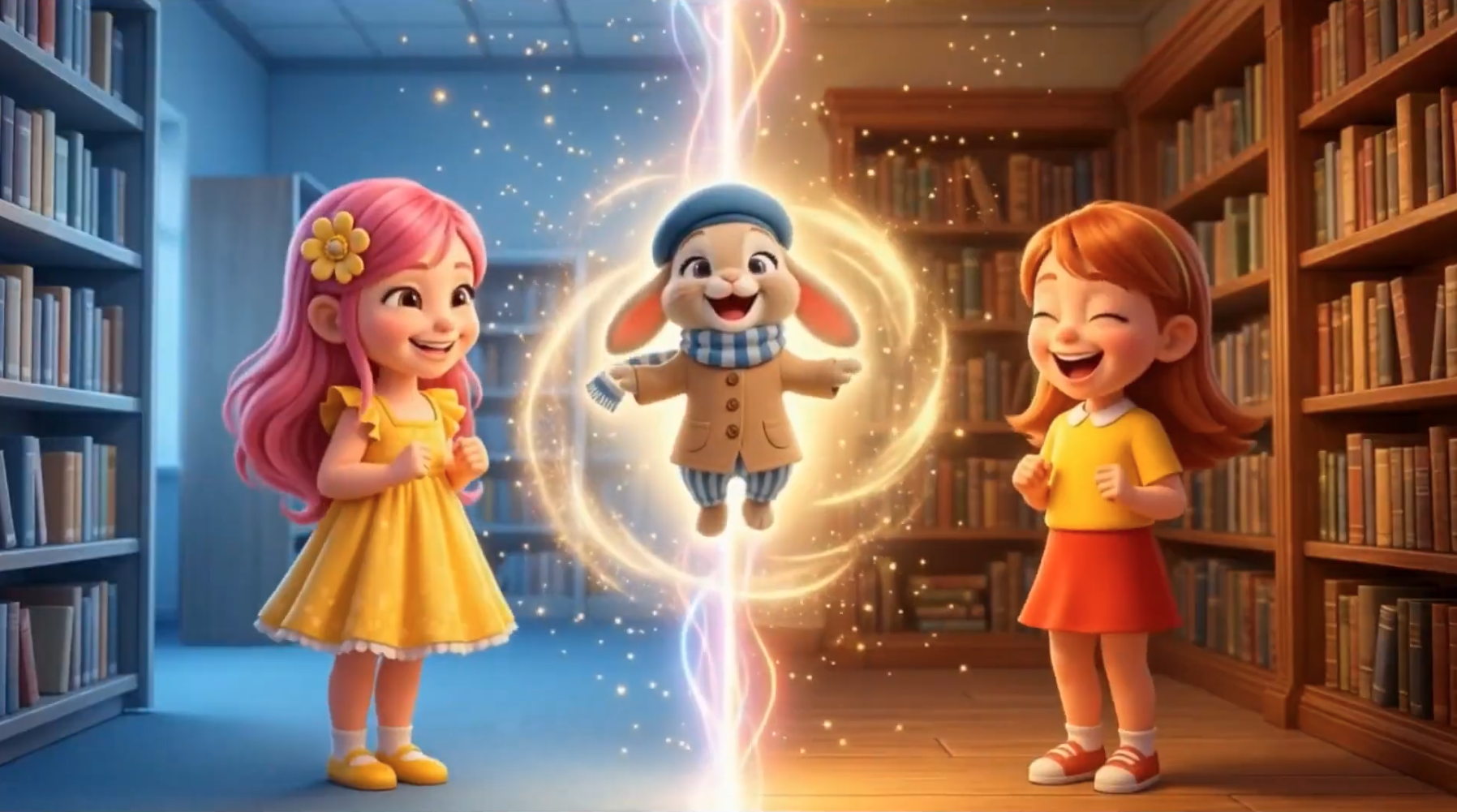
Guess what?
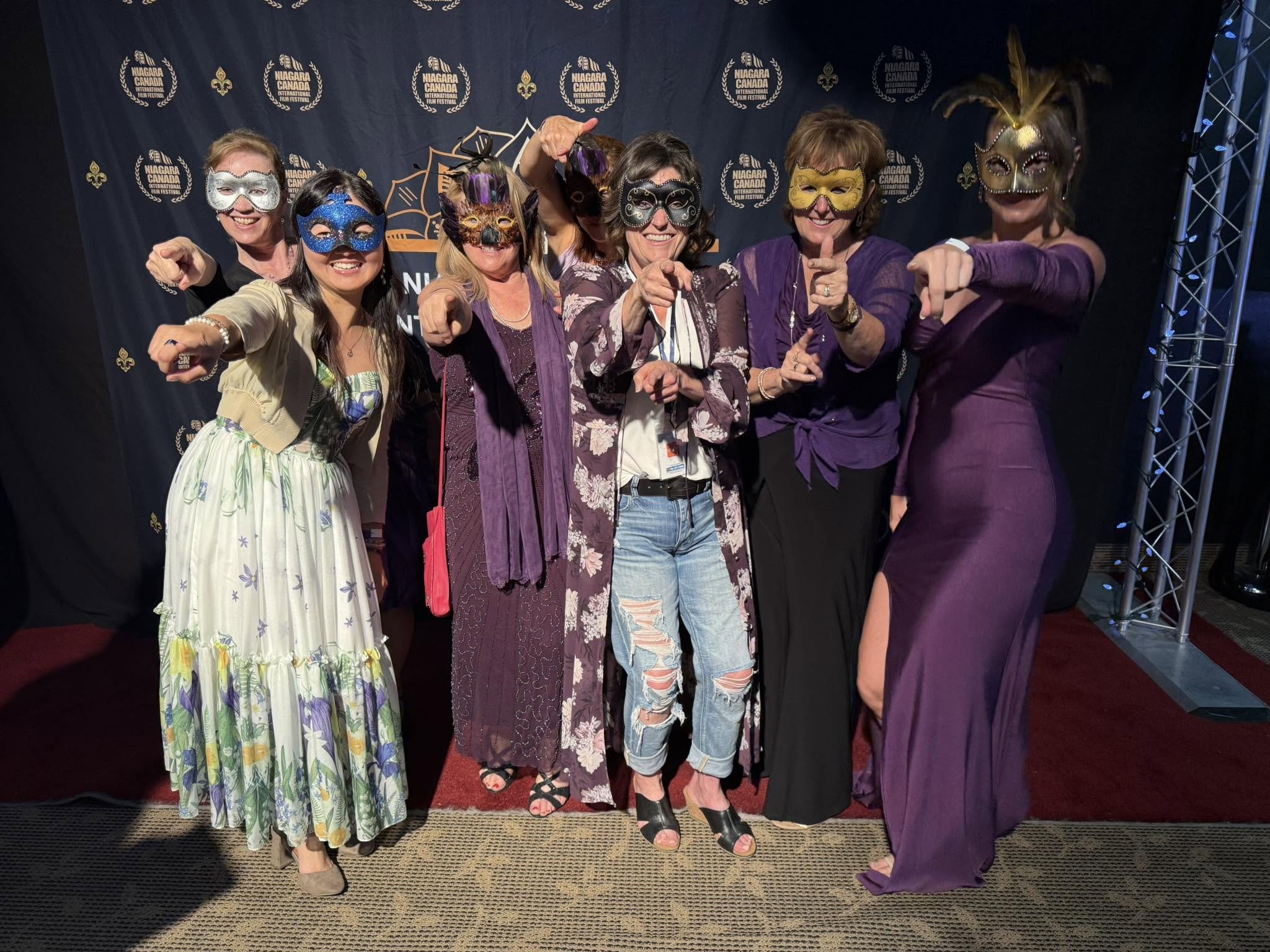
Our short film The Hero Within won Best Short Film at the International Niagara Falls Film Festival. 🎬✨
Thank you for being part of this community and for believing, as we do, that every child carries something extraordinary inside them.
What made the moment even more meaningful wasn’t just the award, it was who stood beside us on the red carpet.
A group of educators, parents, coaches, authors, and child development advocates joined us, all united by one belief: kids matter. Their voices matter. Their feelings matter. Their potential matters.
Together, we walked that red carpet as a statement that supporting children’s confidence, resilience, empathy, and self-awareness isn’t just important, it’s one of the most meaningful investments we can make in the future.
As we celebrated, one question stayed with us:
What might be possible if every child grew up knowing that their voice matters, that their feelings matter, and that the hero they need is already within them?
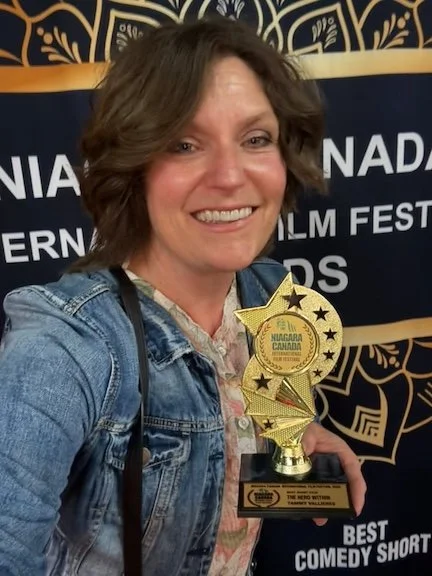
Special shoutout to our inspiring director, Tammy Vallieres, for dreaming up this story and helping bring its message to families around the world.
Now, back to this week’s edition.
If your kids are anything like most, they've been outside more this week. Louder. More restless. Full of energy that doesn't quite have a name yet. That's not a problem to solve. That's Curiosity Drive doing exactly what it's supposed to do.
This week, we're spending time with cognitive scientist Kathy Hirsh-Pasek, whose research at Temple University has spent four decades making one beautifully simple argument: play is not a break from learning. It is learning. The most effective kind the brain knows how to do.
It's also Great Outdoors Month — which makes this the perfect week to take Curiosity Drive outside and see what happens.
And if your child hasn't entered the Camp Supernova scholarship contest yet — the deadline is Tuesday, June 17. More at the end.
STORY
THE GIRL WHO WOULDN'T COME INSIDE
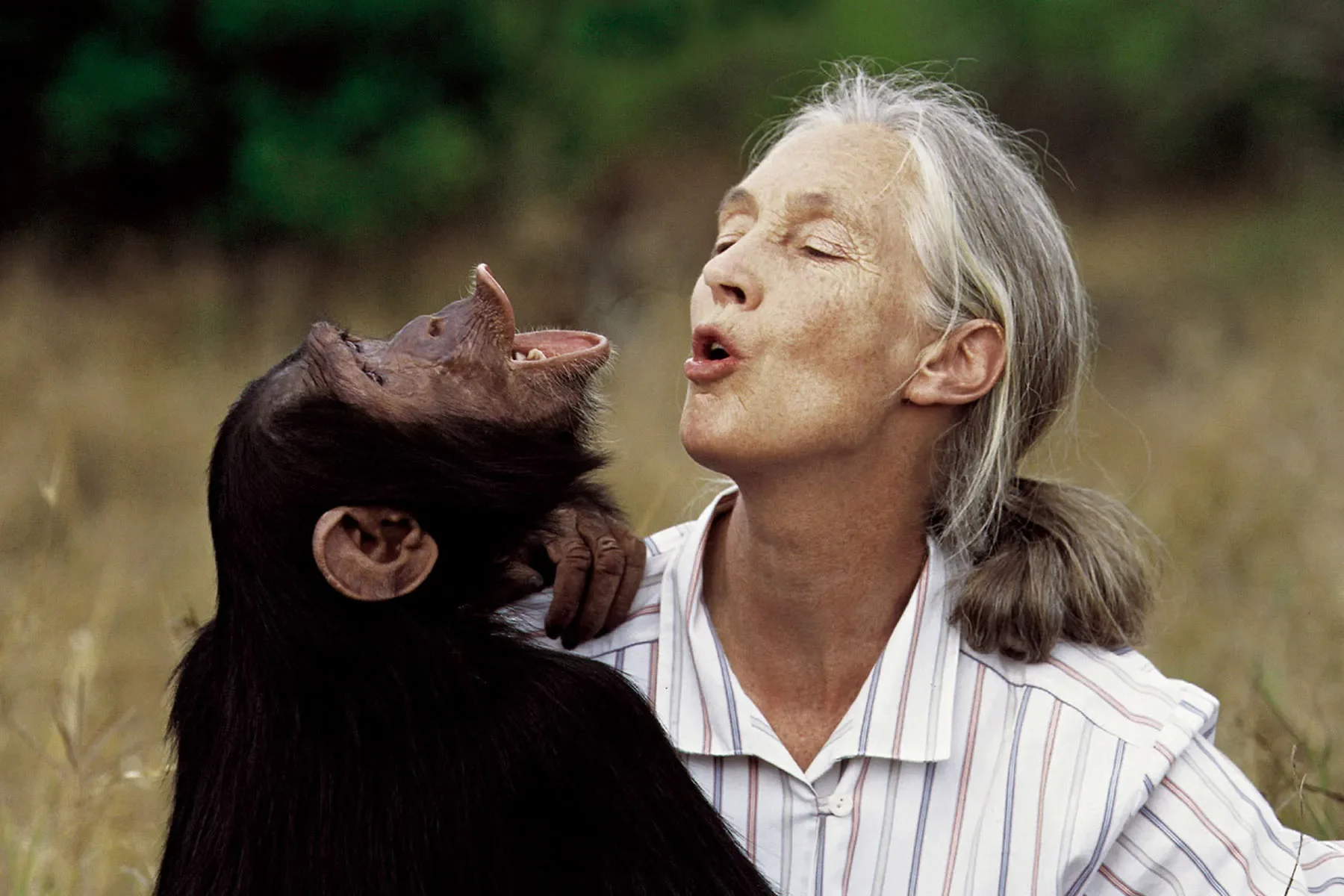
Source: Europa Press/AP
When Jane Goodall was a young girl growing up in England, she disappeared for hours one summer afternoon.
Her mother searched the garden, the lane, the neighbor's yard. Nothing. As the hours wore on, the worry turned into something closer to alarm. Then, just before dark, Jane appeared — calm, bright-eyed, and completely unbothered.
She had been sitting in a henhouse. For four hours. Waiting to see how a chicken laid an egg.
Nobody had told her to do this. No one assigned it. There was no worksheet waiting at the end. Jane simply had a question — how does it happen? — and she followed it all the way to a wooden henhouse and stayed there until she had her answer.
Her mother's response, when Jane finally explained herself, is the quiet turn in this story. She didn't scold her. She didn't lecture her about the worry she'd caused. She sat down, looked at her daughter, and asked: "Did you find out?"
That question — asked with genuine curiosity instead of frustration — told Jane something important. That her wondering was worth something. That the four hours in the henhouse mattered.
Jane Goodall went on to become one of the most important scientists of the twentieth century, spending decades living among chimpanzees in Tanzania and transforming what we know about animal behavior. She has said many times that her mother's patient, curious presence was one of the greatest gifts of her childhood.
Curiosity needs room to breathe. And sometimes, it needs someone at the door asking "Did you find out?" instead of "Where have you been?"
SKILL
THE EXPLORATION STATION
What would your child investigate if you set something in front of them and simply... walked away?
Life is full, and "not right now" adds up faster than we realize. Most of us don't mean to wave questions away. It just happens.
Kathy Hirsh-Pasek's research identifies five conditions under which the brain learns most deeply: when learning is meaningful, active, social, iterative, and joyful. A formal lesson can hit one or two of these. Play, almost by definition, hits all five at once.
The brain's reward system responds to prediction errors. Those moments when something doesn't go quite the way we expected. That gap between expectation and reality is where dopamine releases, where memory forms, where curiosity deepens. Play creates those moments constantly.
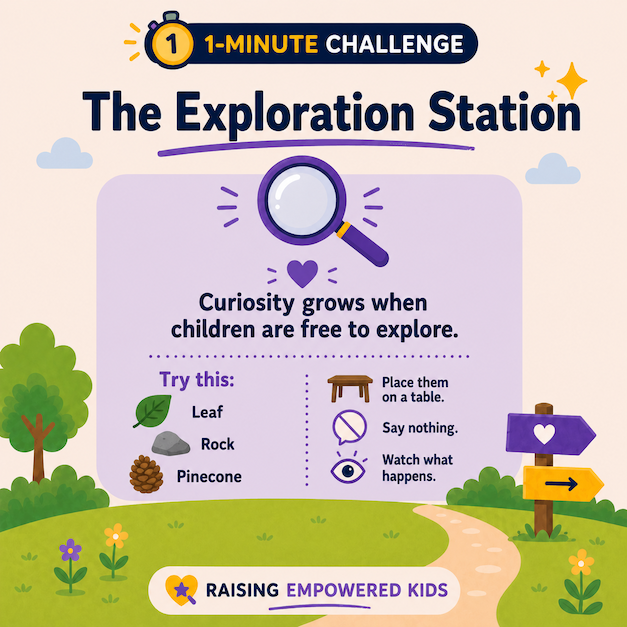
It's Great Outdoors Month. Which makes this the ideal week to try what researchers call an Exploration Station.
Gather three things from outside likea handful of leaves, a rock, a pinecone. Place them on the kitchen table with a magnifying glass. Offer no instructions. Don't ask questions. Just watch.
You might add a notebook and pencil nearby, or a small bowl of water to see what floats. The point isn't the materials, it's the open invitation.
That's the engine running. Let it run.
TOOL
Help a Child Discover their Hero Within
Every child deserves the opportunity to build confidence, resilience, leadership, and a sense of purpose.
Inspired by the message behind our award-winning film The Hero Within, we’re working to help more children experience Kidpreneurs Camp SuperNova—an immersive program designed to nurture confidence, resilience, leadership, creativity, and purpose.
If this mission resonates with you, we’d be grateful if you shared the film, our scholarship opportunities, or our programs with a parent, educator, school leader, community organization, or potential sponsor who believes in empowering the next generation.
Together, we can help more children discover the hero within.
Before you go…
Gather the family and enjoy The Hero Within music video together—a heartwarming reminder that every child has unique gifts, strengths, and a hero within:
Last Call: Camp Supernova Scholarship!
The deadline to enter the Camp Supernova free scholarship contest is this Tuesday, June 17 — and we don't want your family to miss it.
One child will win free registration to Camp Supernova (valued at $349) — a live, virtual five-day camp running July 13–17 for kids ages 6–12.
To enter, your child simply records a short video answering one question: "If you could help make the world a better place, what would you do?"
No preparation needed. No polish required. Just their voice, their ideas, and their Curiosity Drive doing what it does best.
👉 Submit Your Child's Entry Here
“Play is the work of children. It is the way they come to understand the world they live in.” - Fred Rogers
Until next time, have an awesome week ahead!
Your friends at REK,
Adam & Matthew Toren, Sylvia Tam, and Tammy Vallieres

Our new member hub is live — free activities, conversation starters, and resources for your family. Access it here.
“Play is the work of children. It is the way they come to understand the world they live in.”