
The Formula That Makes Kids Want to Help

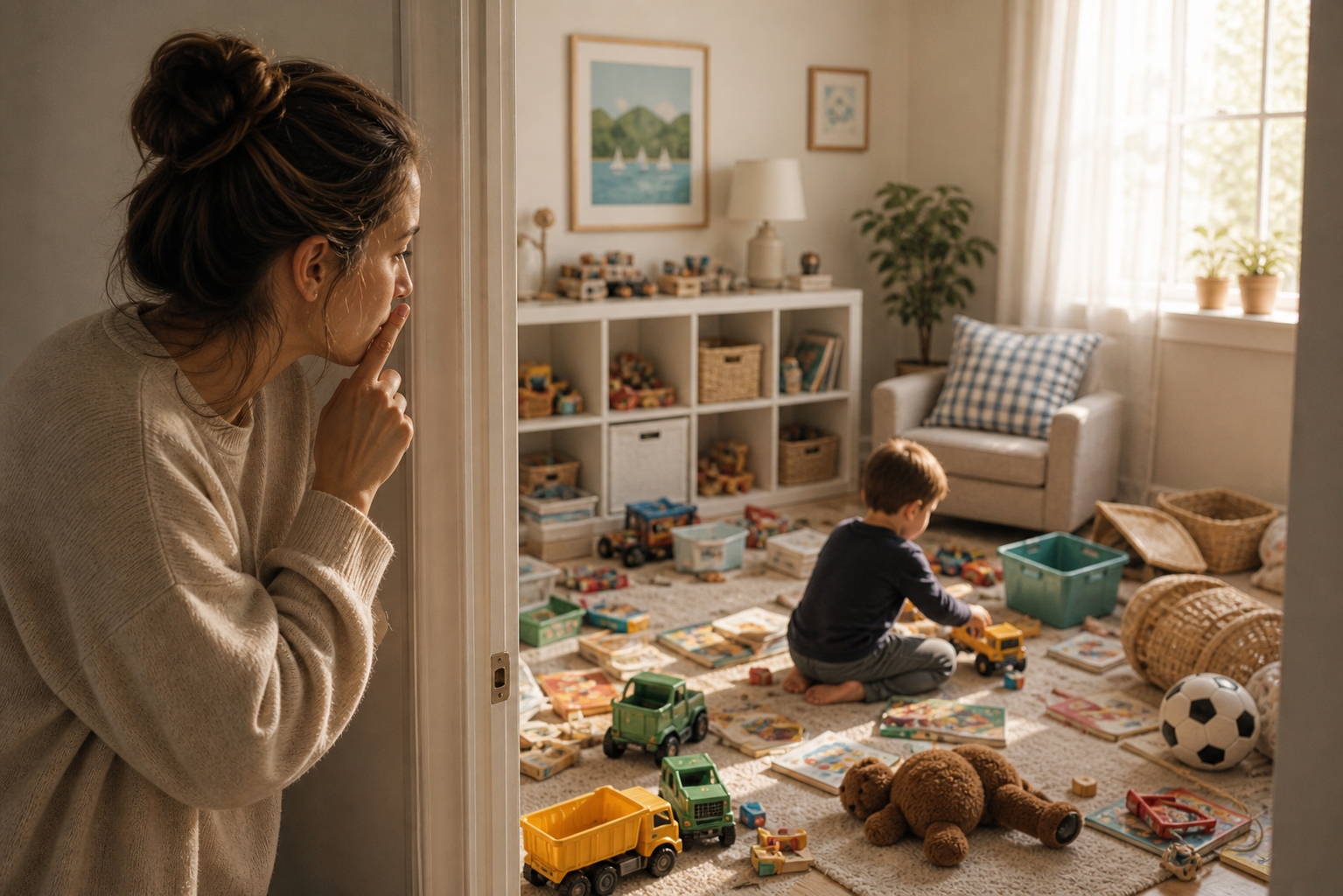
How many times have you asked your child to clean their room — and watched nothing happen?
Not because they're defiant. Not because they don't care. But because "clean your room" is, when you look at it honestly, not a task. It's a project. And most adults would stall on a project that vague.
BJ Fogg has spent decades at Stanford studying exactly this — why people with good intentions consistently fail to follow through, and what actually changes behavior. His answer surprises most parents when they first hear it.
The problem is almost never motivation. It's almost always the size of the ask.
This week, we're applying his formula to household contribution — and it's simpler than you'd think.
STORY
BJ Fogg - The Coffee Filter Shift

Mike and his son had gotten stuck in a pattern that felt hard to undo. His son was 21, still at home, and even small things, like cleaning up after himself, turned into friction. Mike would ask, then push, then snap. His son would shut down or fire back. Most mornings started tense and ended with both of them pulling away.
Then Mike tried a different approach he’d recently learned… start smaller than feels necessary.
One of the daily flashpoints was the coffee maker. Mike wanted the filter cleaned after use but what he was really asking for was a three-step task: take it out, rinse it, and put it back. His son never did it.
So Mike changed the ask.
“Next time you use the coffee maker, could you just take the filter out and leave it on the counter?”
The next morning, it was there. Grounds spilling a bit, not perfect but done. Mike thanked him.
After a couple weeks, Mike added the next step: rinse it, then leave it on the counter. That worked too.
Then one morning, the filter wasn’t on the counter at all.
For a second, Mike thought they’d slipped back. But when he opened the machine, it was clean. His son had taken it out, rinsed it, and put it back without being asked.
It was a small thing. But for Mike, it felt like something much bigger had shifted. Not just the coffee filter, the feeling in the house. The edge between them softened. And for the first time in a long time, he felt a quiet sense of hope about his son again.
The quiet turn: Make it easy enough to start, and people often take it further than you asked.
(This story comes from Tiny Habits by BJ Fogg—a real example of how small changes can shift behavior.)
SKILL
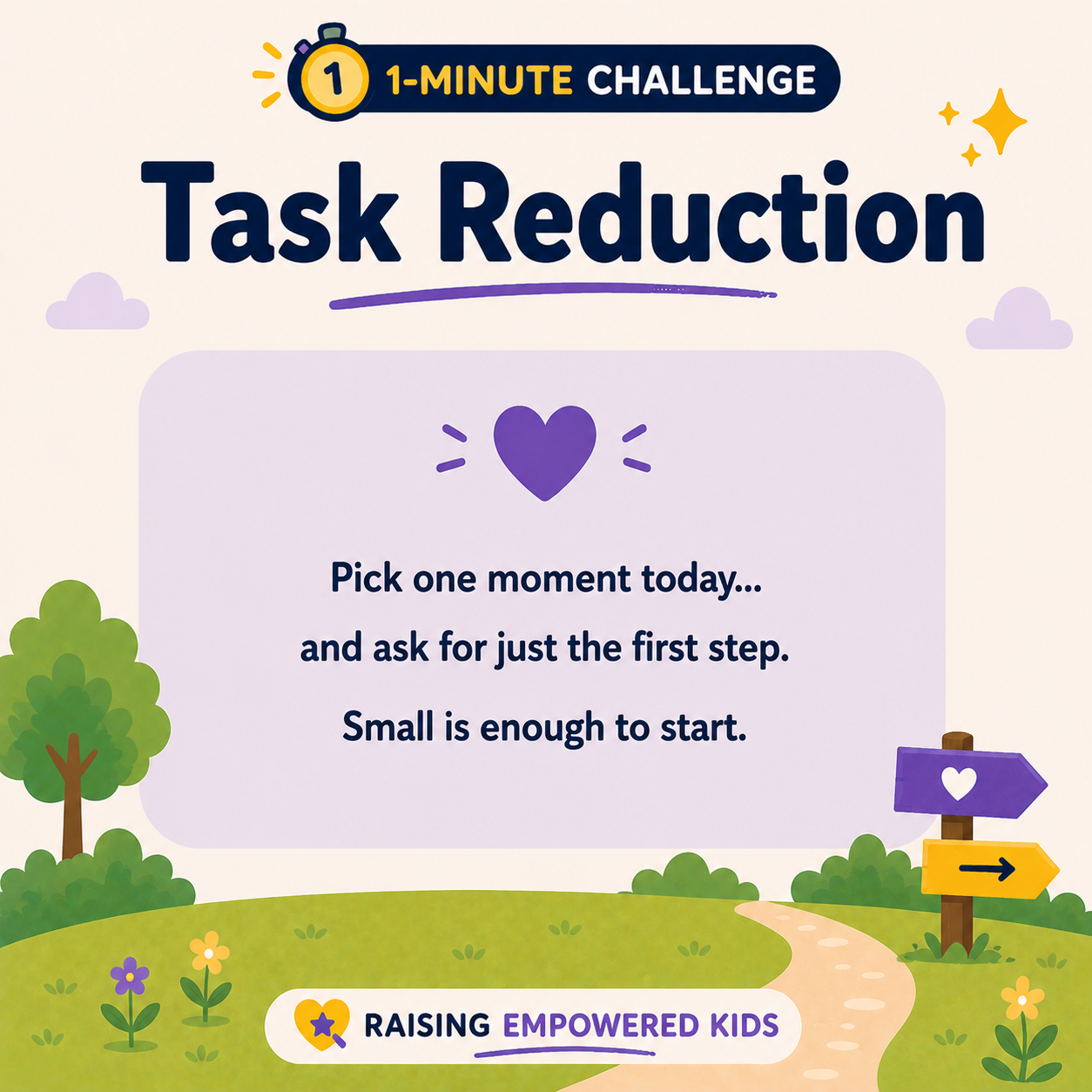
Task Reduction
Think about one household contribution your child consistently resists. Got it?
Now shrink it. Not halfway. Almost all the way.
The goal is a task so small it takes 5-30 seconds and requires almost no willpower:
Instead of:"Clean your room" Try:"Put one thing away before dinner."
Instead of:"Help with dishes" Try:"Put your plate in the sink when you're done."
Instead of:"Keep your shoes tidy" Try:"Kick your shoes to the mat."
Then anchor it. Pick an existing routine moment — after breakfast, after screen time, before bed — and attach the tiny task to it. The existing habit carries the new behavior.
When they do it — even once — skip the gold stars. Instead, go for a quick, real moment: a smile, a high five, a simple “yes, you did it.” That small moment of feeling good right after? That’s what makes their brain want to do it again.
You might try this for a week and see what feels different.
TOOL
One Setup. Many Small Money Habits.
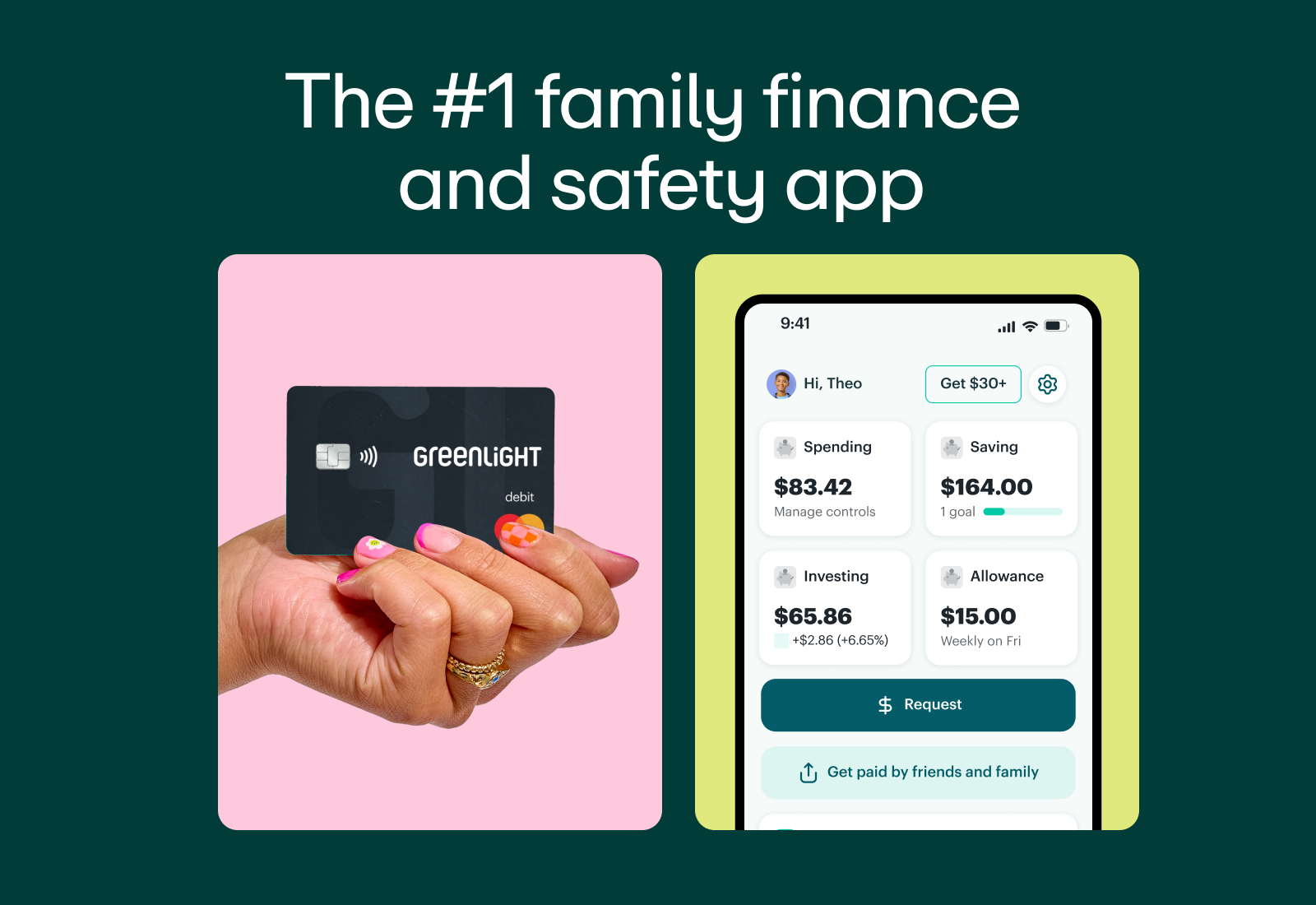
One simple setup can open the door to something bigger, giving kids a way to take small steps with money, again and again.
There’s something different that happens when they can actually see it—money in different places, adding up over time, and feeling proud as they watch it grow. Not just using it, but thinking a bit more about how they spend it.
Greenlight helps make that visible with simple tools families use like saving and investing buckets, plus options for chores and allowances, and a debit card for real-life practice.
It’s a simple way to turn everyday moments into something they can actually see and feel.
Before you go…
Happy Mother’s Day to all our moms and grandmas 💐 Hope today holds a few moments that feel easy, appreciated, and just for you.
If this week’s story felt familiar, here’s a 2-min clip that carries the same spirit—no fixing, no pressure. Just three simple ways to make helping out at home feel a little more natural (and a lot less like a battle).
Source: BJ Fogg, PhD — Stanford Behavior Design Lab
It might feel small, but that’s often where things start to shift.
There’s probably more room for this to change than it feels like right now.
We’re on Day 5 at the virtual Neurodiverse Homeschool Summit, and there’s still time to join the upcoming expert sessions until May 21st. Sign up for free HERE, just in time to catch Tammy’s talk on Tuesday May 12th!
Until next time, we wish you a momentum of a week ahead!
Your friends at REK,
Adam & Matthew Toren, Sylvia Tam, and Tammy Vallieres

Our new member hub is live — free activities, conversation starters, and resources for your family. Access it here.
“Motivation is not reliable. Design is. Make the behavior tiny enough, and motivation becomes irrelevant.”